
Japan Travel Tips: Essential Advice for First-Time Visitors
By Vlad
Japan is a country that surprises you at every step. After several trips, I’ve collected practical tips that will help you avoid common mistakes and make your journey more comfortable....

Japan is a country that surprises you at every step. After several trips, I’ve collected practical tips that will help you avoid common mistakes and make your journey more comfortable.
📋 Planning your trip in advance
On my first trips to Japan I went completely unprepared: I picked the main cities like Tokyo, Kyoto, Nara, etc., sometimes planning what to do on the following days right on the spot.

I quickly realized that in Japan this approach doesn’t work, and on my last trip I wrote a very detailed itinerary: what I want to see, in what order, and how to get there.
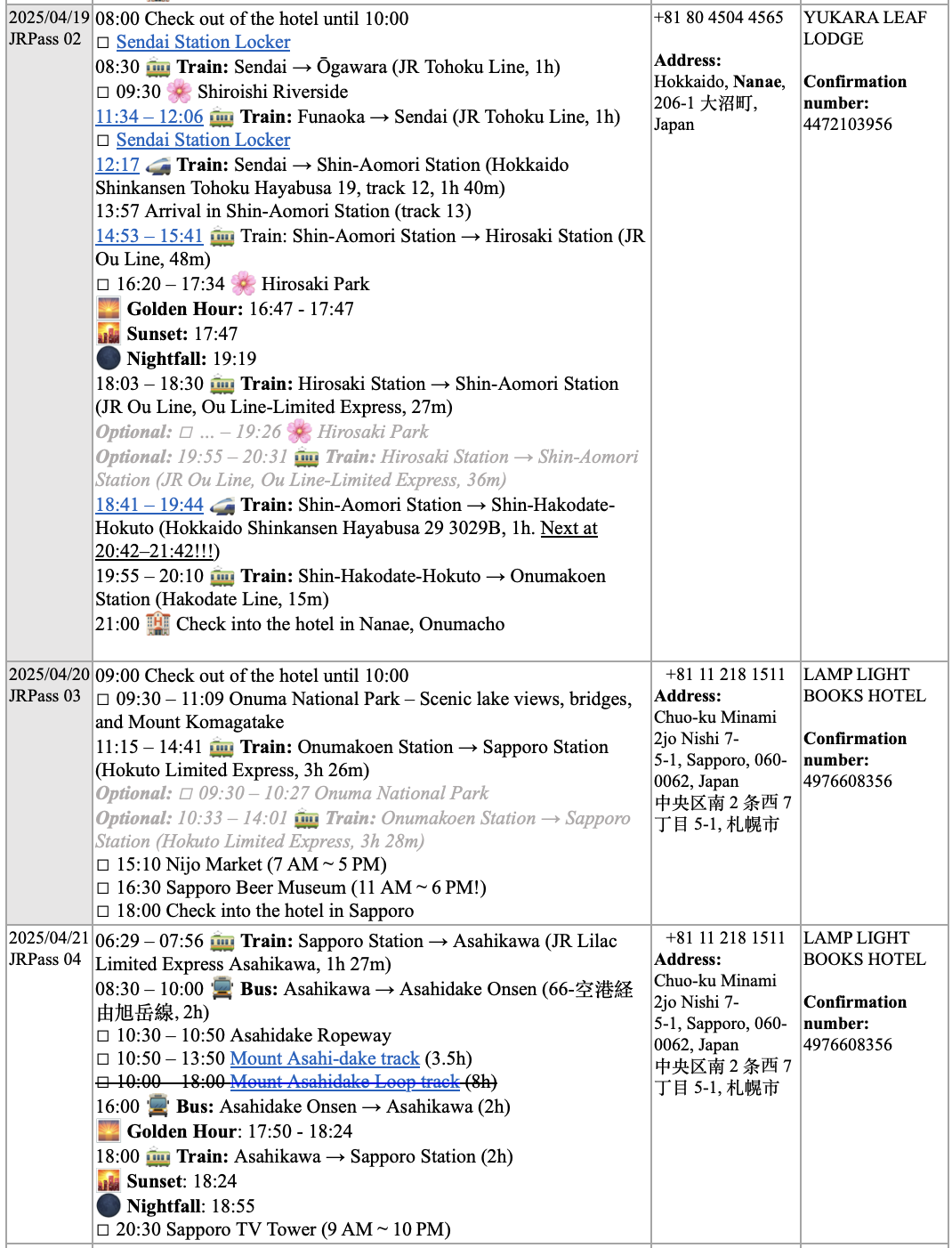
In many popular tourist spots, wherever you go, there will probably be a line, everything will be fully booked, or tickets will already be sold out – I’ll write a separate post about how I went to local popular restaurants. It was a very memorable experience.
In Japan it’s better to plan all your movements and activities in advance.
Whichever major city you choose as your base, you’ll find a lot of interesting places nearby or within 1–2 hours by train/bus. I think the most efficient strategy is to stay in one place for at least 3–4 days and do day trips to neighboring cities. For example, from Osaka you can quickly get to Kyoto or Nara. From Tokyo you can reach Kawaguchiko or Nagano in a few hours (although there’s so much to see there that it’s better to stay for several days rather than just one).
Save your energy and time on moving around with luggage and constant check-ins/check-outs, and keep them for experiences and rest after intense days!
Plan your routes with information about how to get there, opening hours, whether you need tickets and where you’ll eat.
This way you’ll avoid unpleasant surprises — like finding a place closed or so popular that tickets must be bought in advance. The same goes for restaurants: in Kyoto’s Gion district, for example, many traditional spots are tiny and work by reservation only.
Besides, by planning your trip in advance, you not only prepare better, but also learn much more about the country.
Japan Rail Pass
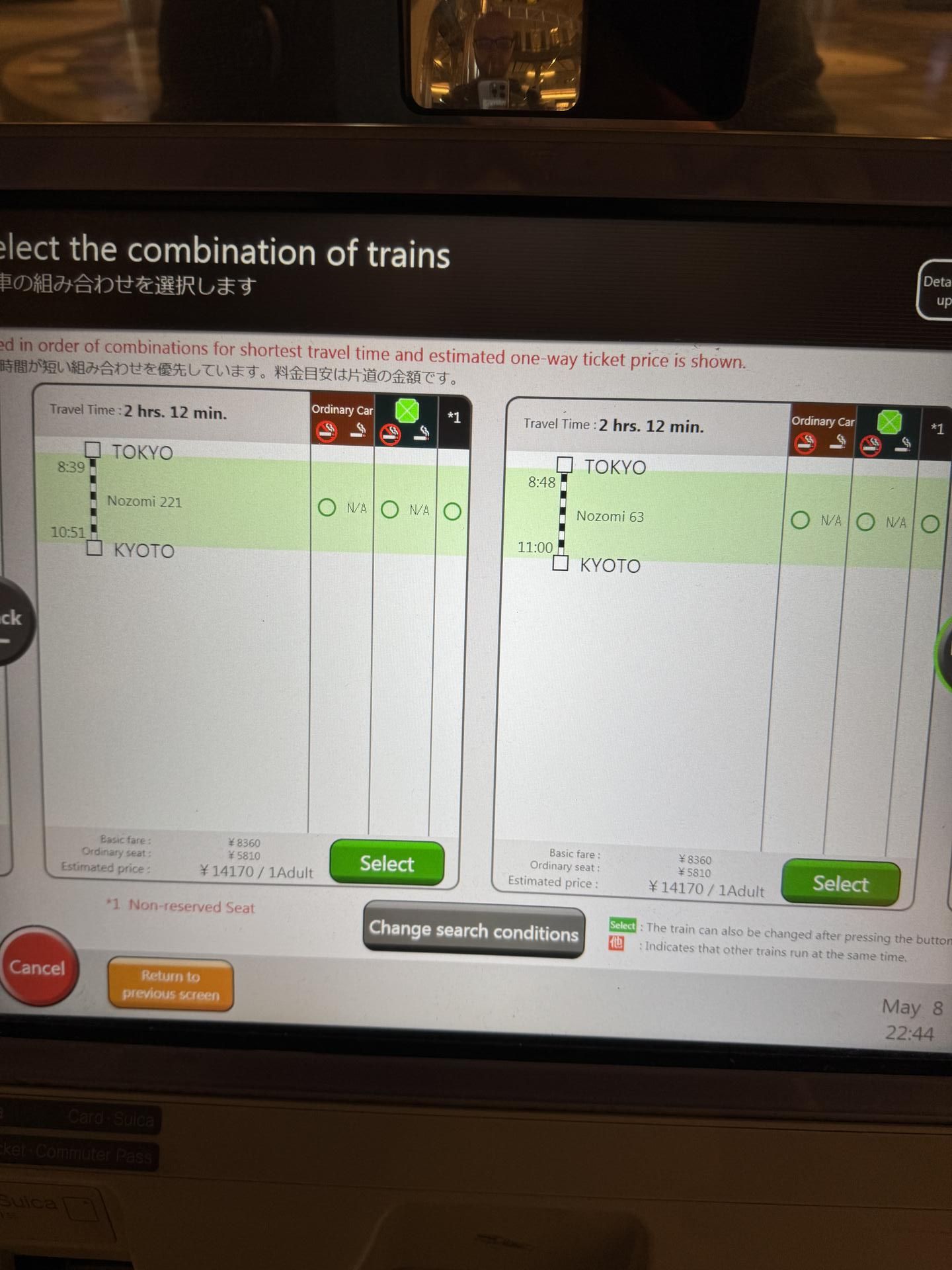
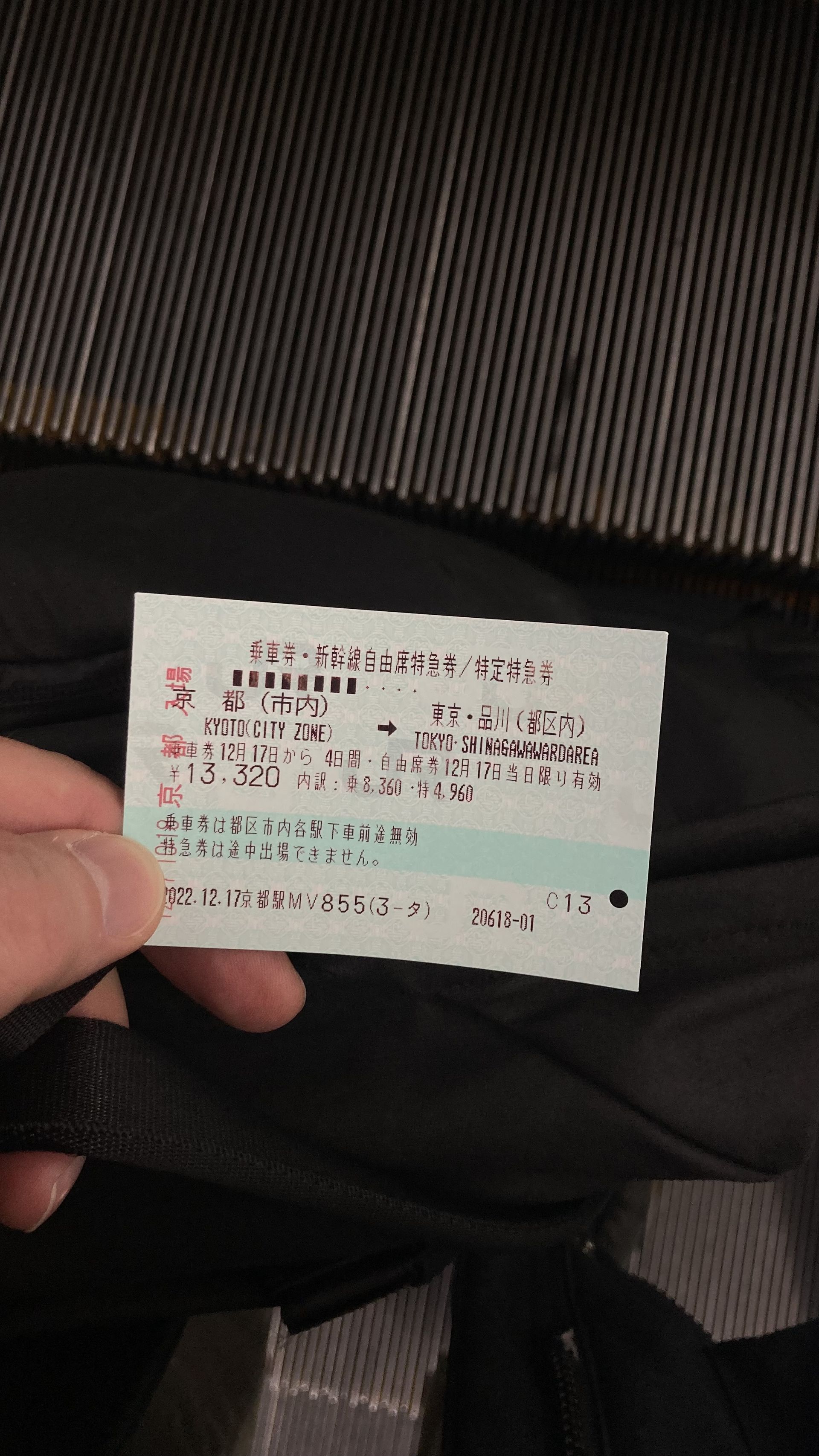
In Japan, transportation is one of the most expensive things.
Train trips will cost you a lot. A ticket Tokyo–Kyoto or the other way around will be about 14,000 yen (price as of 2025).
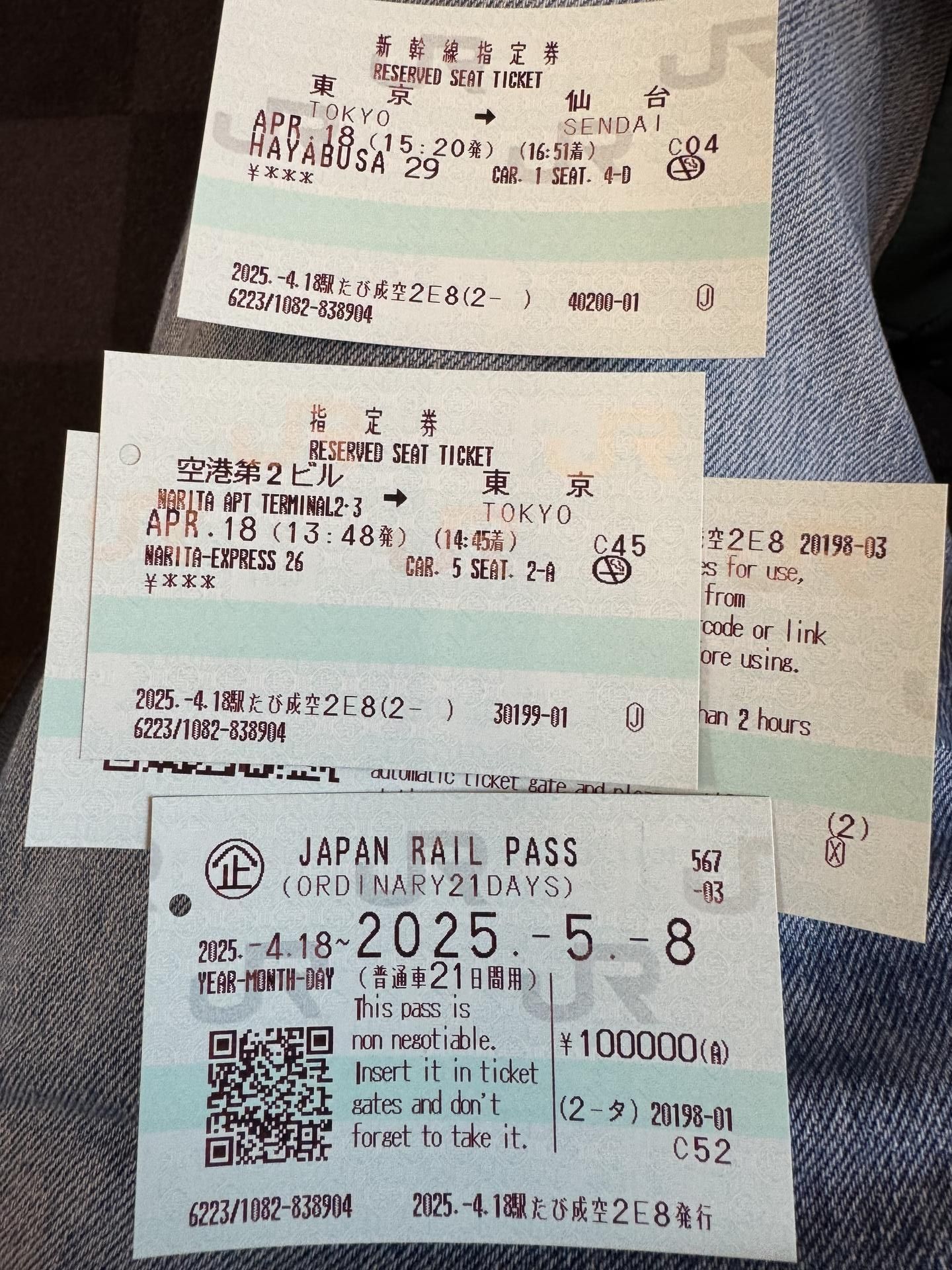
There are Japan Rail Passes and other rail passes available only for tourists.
Japan Rail Pass is also not cheap – about 100,000 yen (around 550 Euro) for 3 weeks.
It’s only worth it if you’re going to travel a lot around the country by train. Metro rides and some limited express trains are not included! The Japan Rail Pass only covers trains operated by JR, the national railway company.
In some cases it’s actually cheaper to fly.
Before buying the Pass, use a calculator to see whether you’ll actually save money:
https://www.jrpass.com/farecalculator/
On this site you’ll also find other regional passes available in different prefectures and on different routes:
https://www.japanstation.com/japan-rail-pass-value-calculator/
📱 Internet
eSIMs are now available. On my last trip I bought an eSIM for Japan online from Holafly.
If you're traveling with friends or family, it may be cheaper and more convenient to rent a Pocket WiFi. On previous trips I ordered it from https://www.jrpass.com together with the Japan Rail Pass. It’s not the only company that offers this service, there are also Ninja WiFi and many others. Check the conditions yourself in advance.
But keep in mind:
- You’ll have to spend time returning the device (usually you can do it at the airport, but double‑check beforehand).
- There can be a data limit, and if you stream video or download a lot, by the end of the trip – as happened to me – the speed can drop to a very “annoying” level!
🧳 Luggage and things
Don’t take too many things and overstuffed suitcases. You’ll see lots of amazing things you’ll want to buy. 💯 There are many unique local products you can’t find elsewhere: souvenirs, sweets, gadgets, clothes, cosmetics, and more. Some cool items from well-known brands (Tom Ford, Patagonia, Vans, etc.) I’ve only ever seen in Japan – and later couldn’t find them again after coming home.
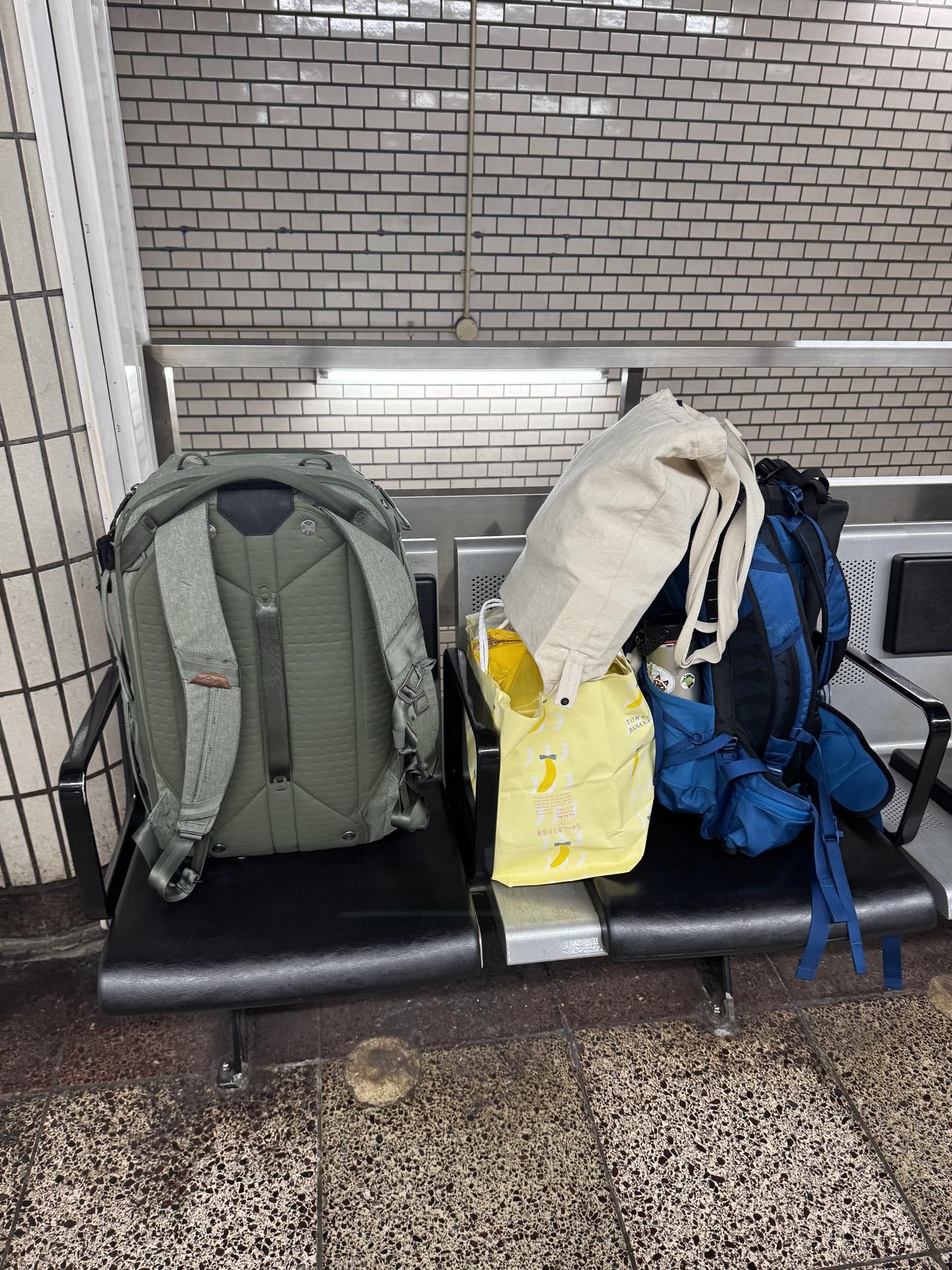
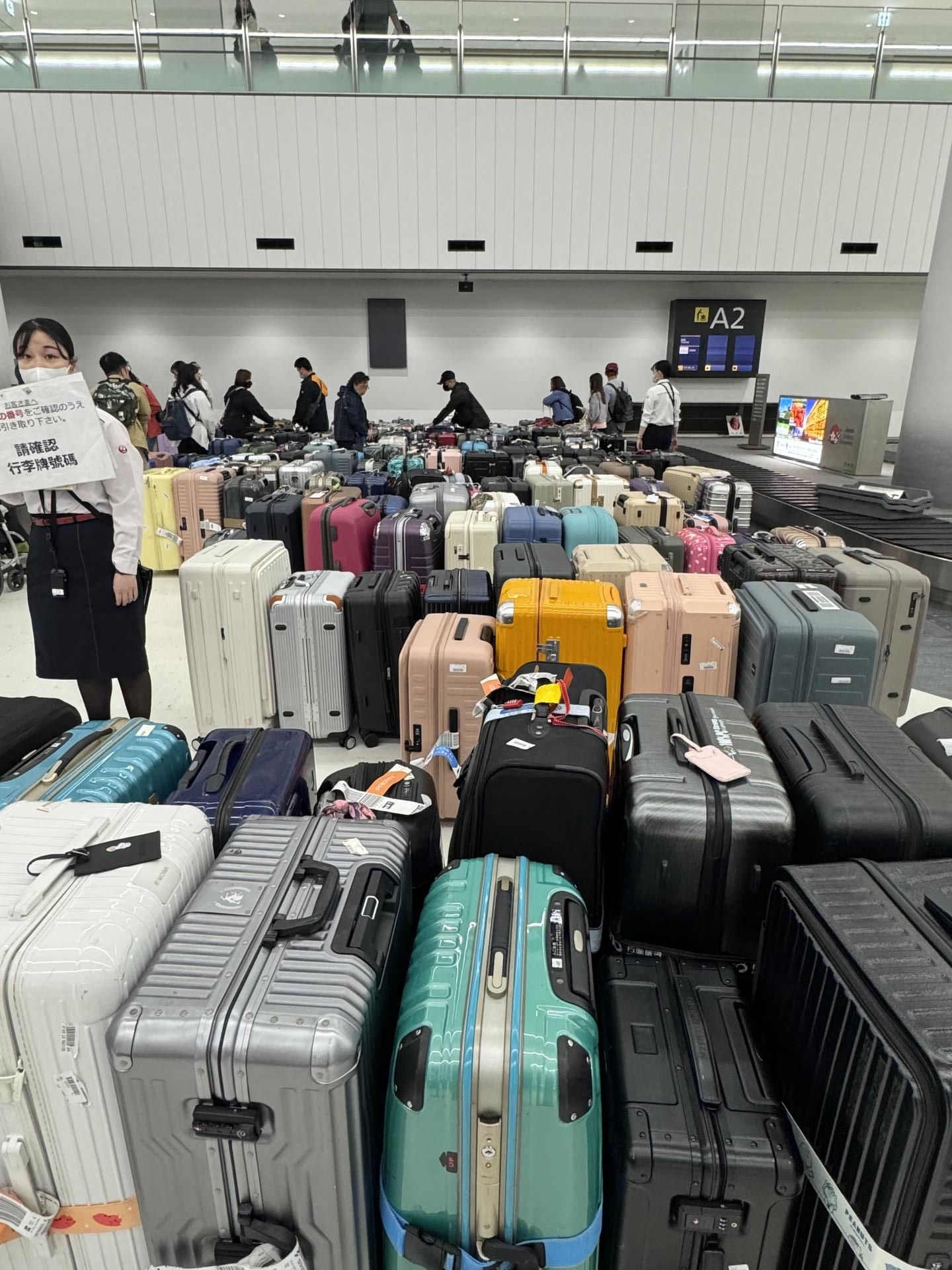
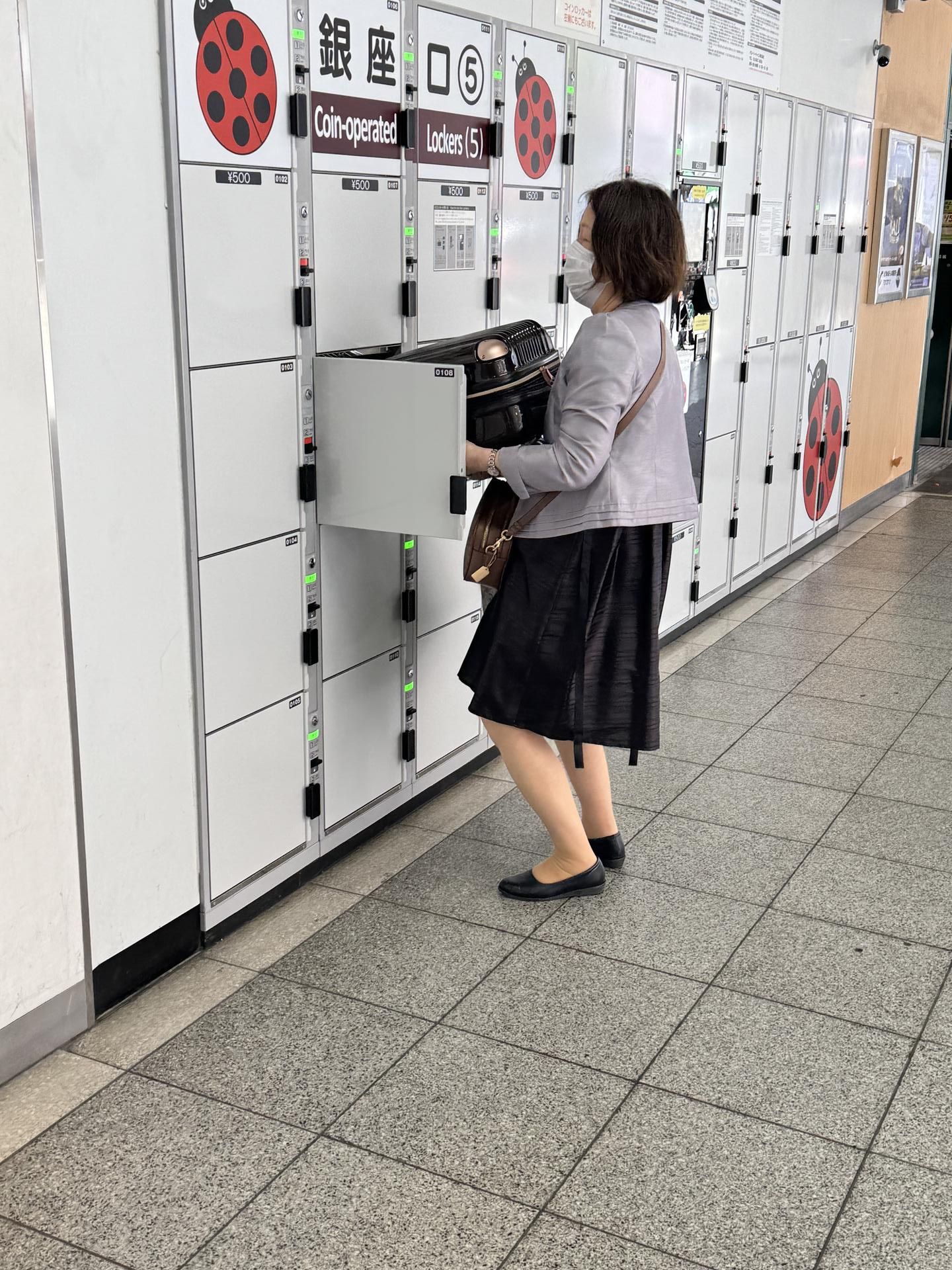
I don’t recommend taking huge suitcases: they won’t fit into coin lockers (more on that below), and on trains you’ll have to leave them in a special space in the car. In my opinion it’s more practical to take a couple of smaller ones, but of course it depends on how much you’ll be moving around the country and on your travel style.
👟 Footwear
You’ll walk a lot, including stairs. Your shoes should be practical and comfortable for long walks.
🔌 Electronics
Don’t forget a plug adapter for Japanese sockets (similar to US plugs).
A power bank will save you during the day, so you can stay connected and not get lost.
Fast Track on arrival
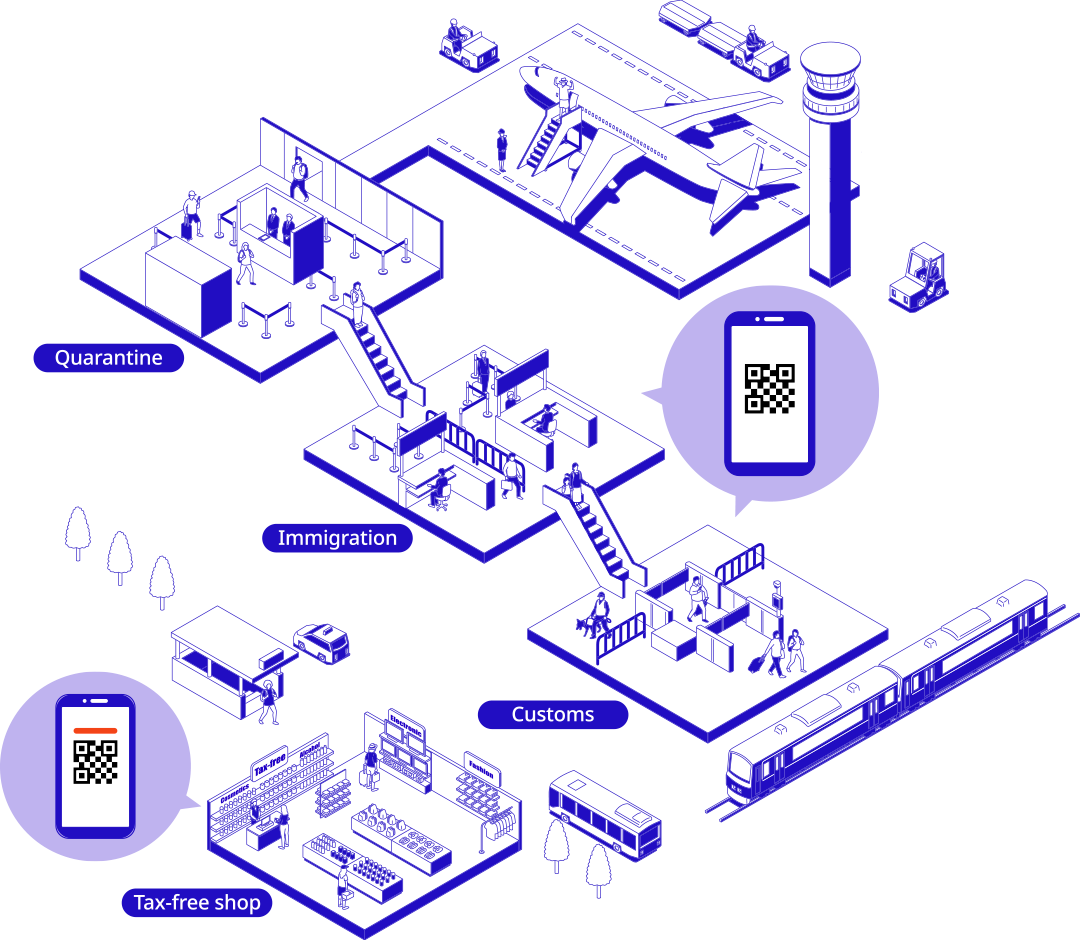
I recommend registering in advance and filling in all the required data on the website
https://services.digital.go.jp/en/visit-japan-web/
After submitting the form you'll receive a QR code that you can use at customs and immigration. Otherwise you'll spend more time filling in forms on the spot and in the queue.
💰 Cash
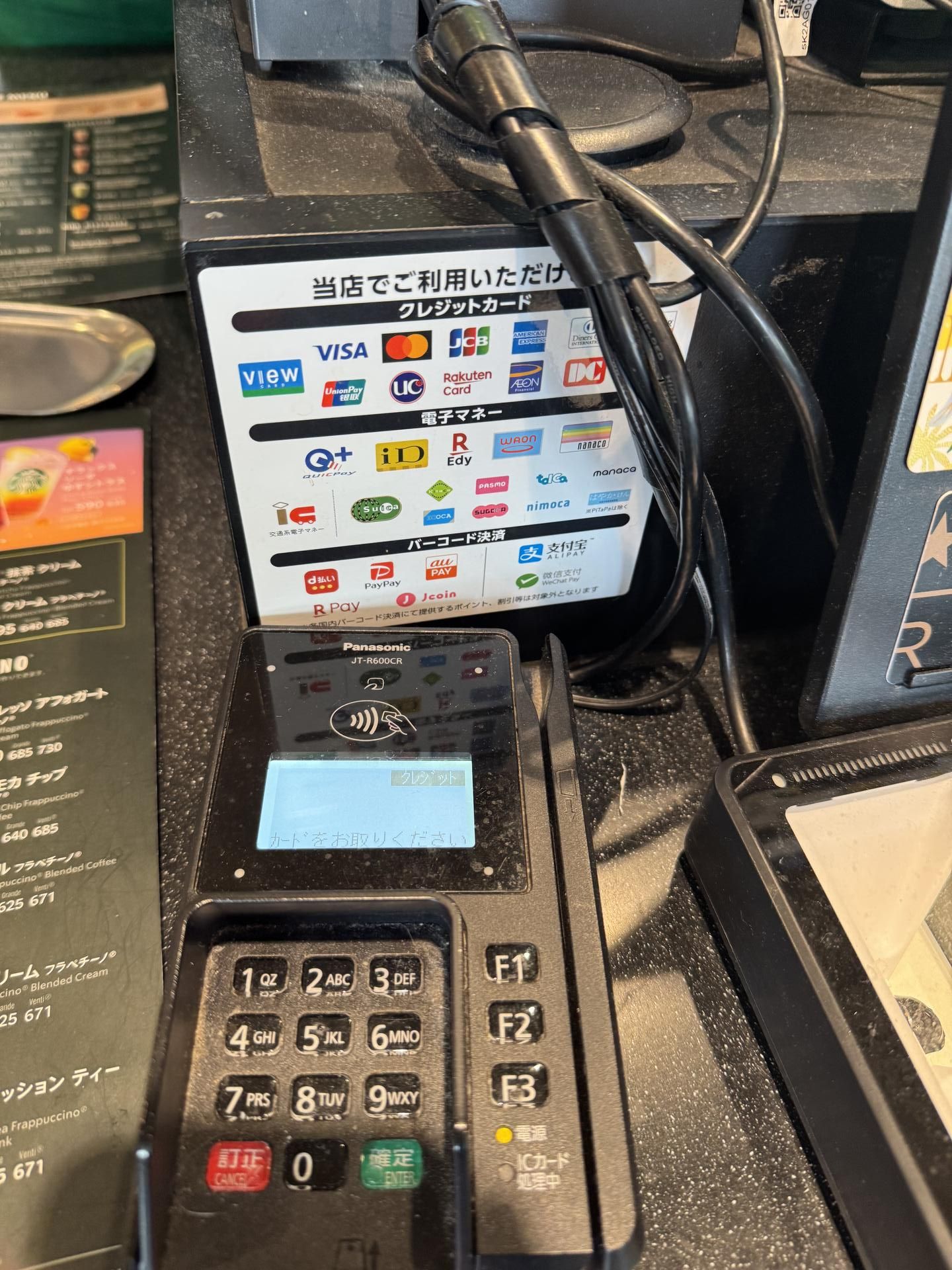
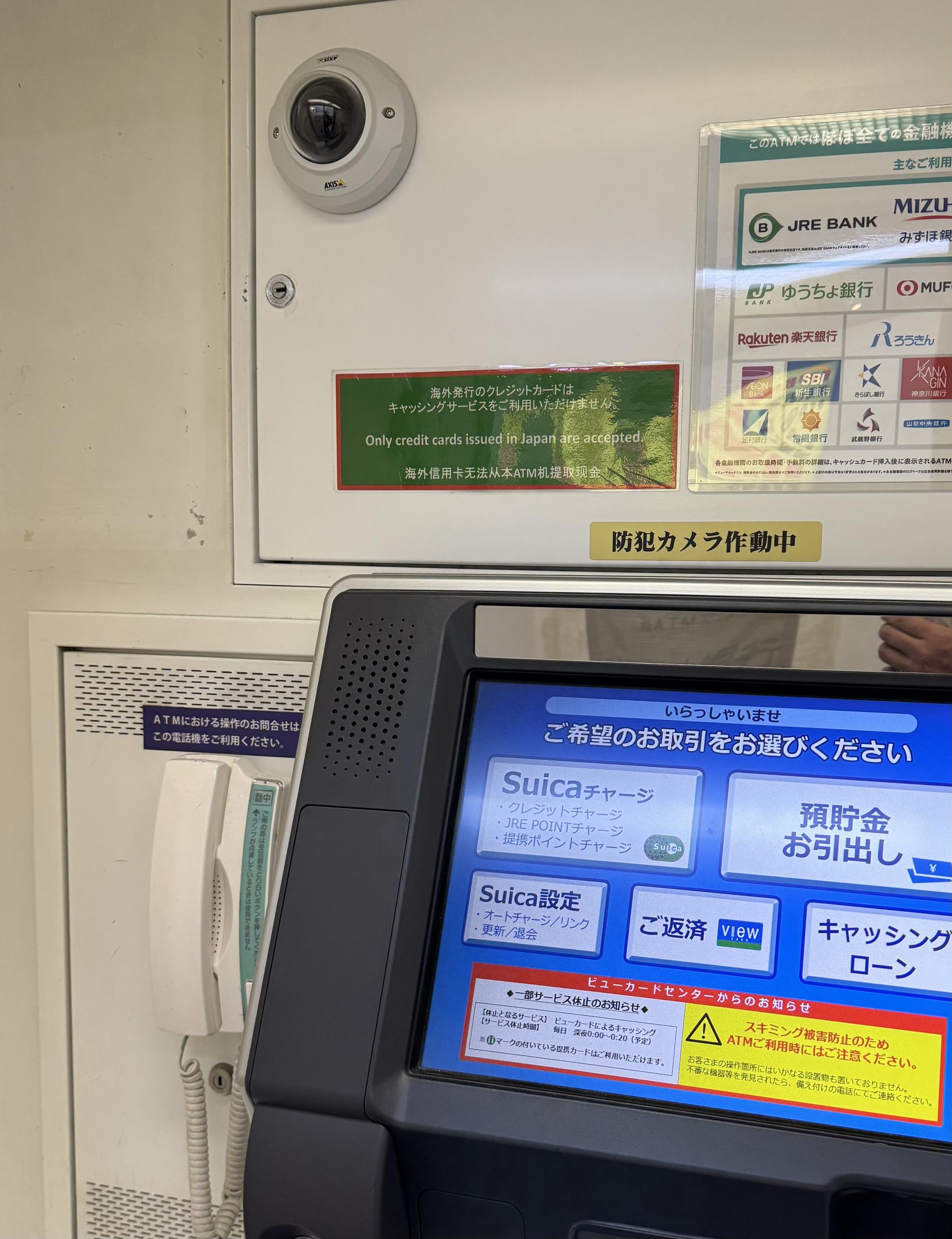
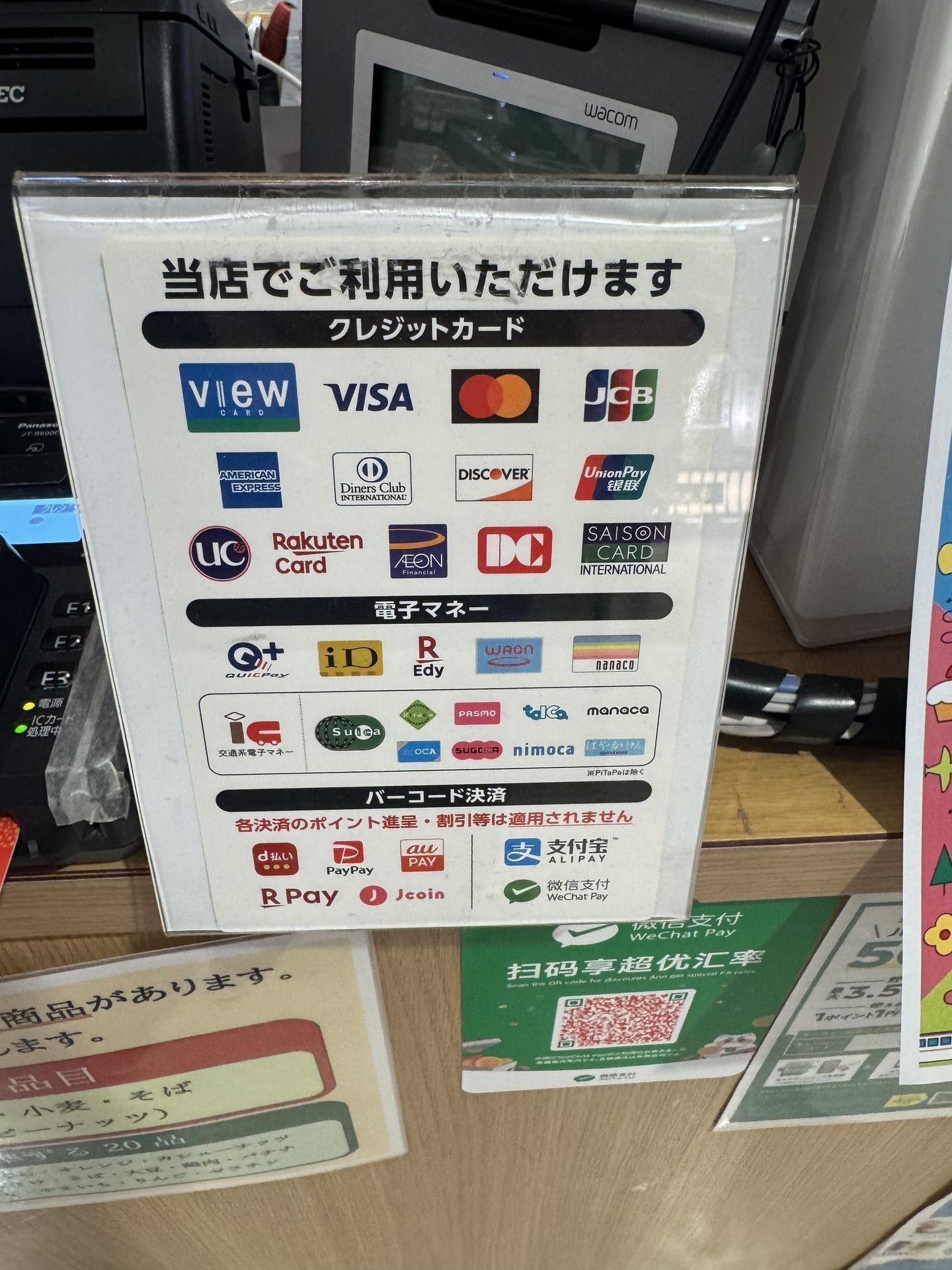
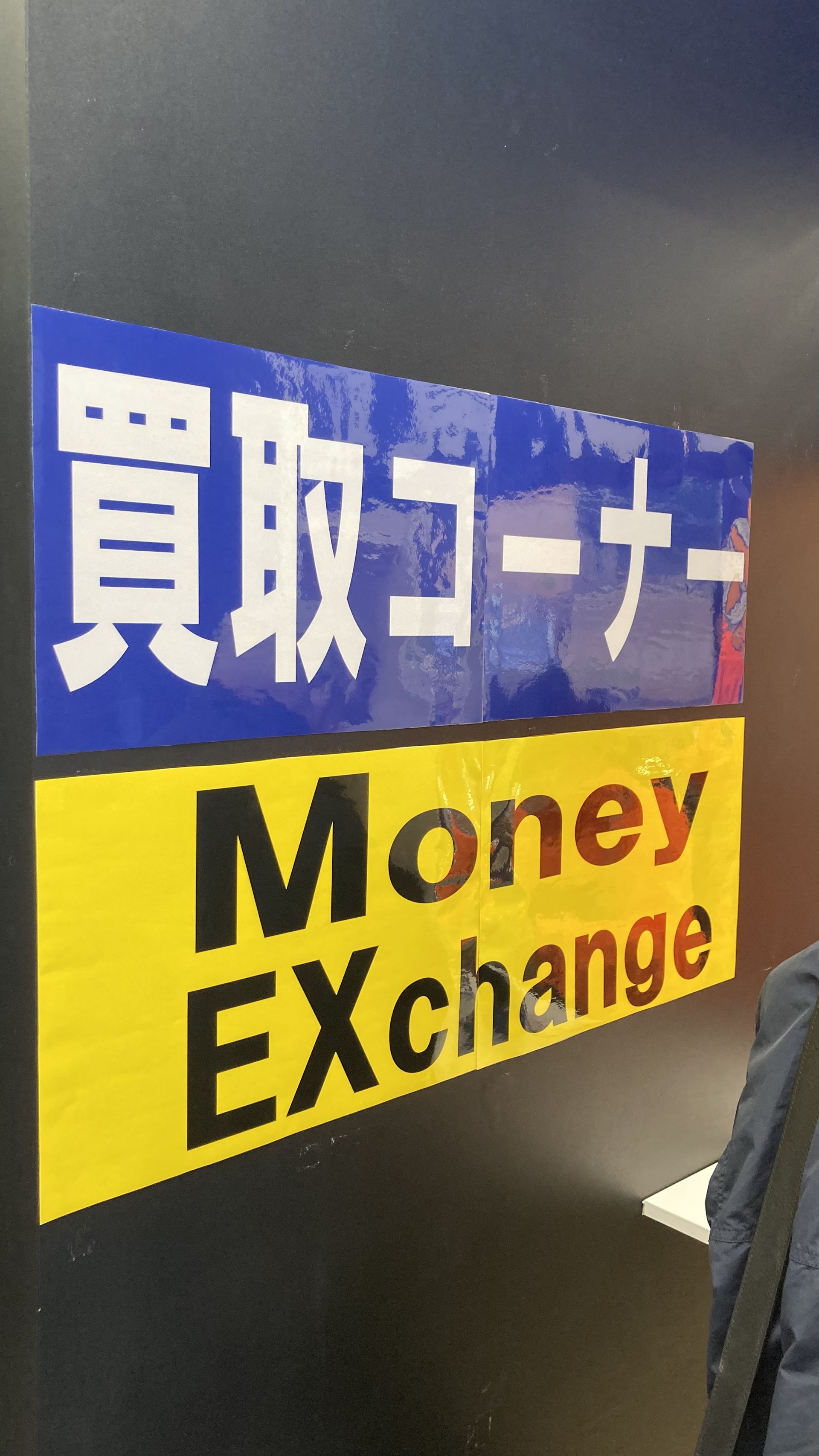
It’s better to exchange money right away. Only a small number of ATMs work with foreign cards. Cards are not accepted everywhere – even if the terminal shows lots of logos, they can still reject a foreign card.
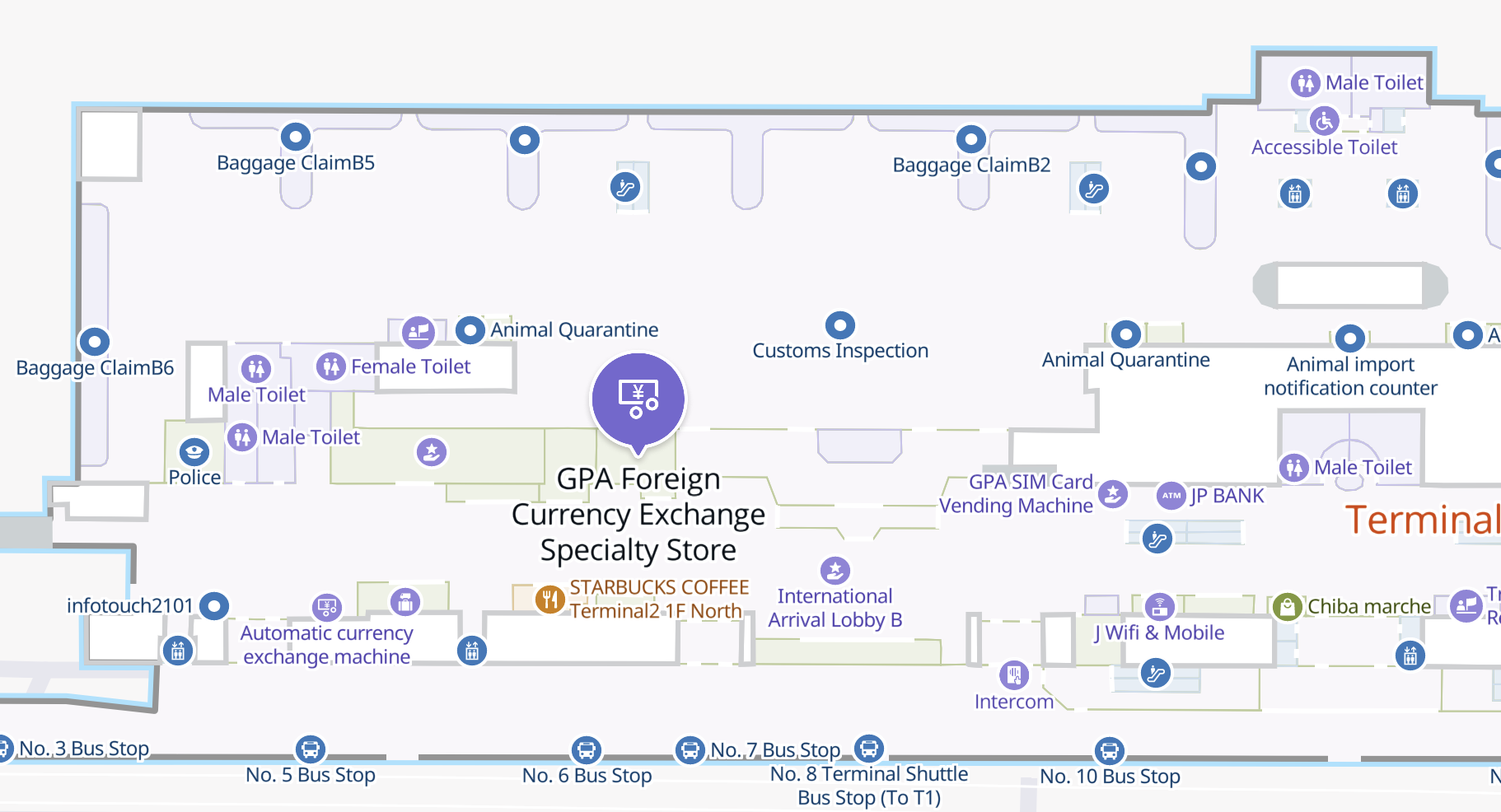
At Narita Airport the exchange office is on the arrivals floor in Terminal 2, opposite Starbucks: GPA Currency Exchange Store (T2 Center / 1F / Before Security Check). I didn’t notice any significant difference in exchange rates between the city and the airport.
Similar exchange counters can be found on other floors and in other terminals at Tokyo’s airports.
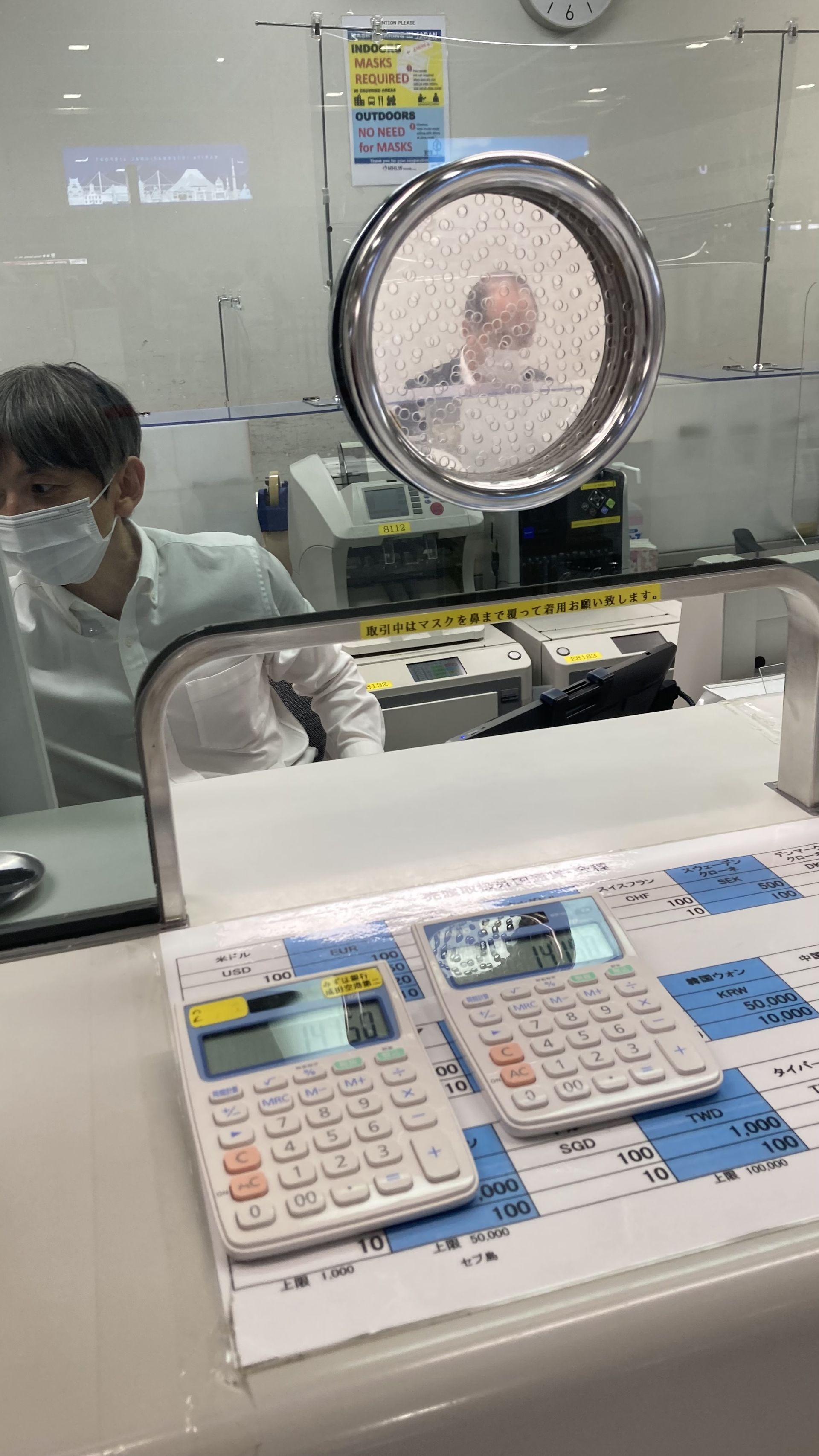
One thing that surprised me: the exchange counter had two calculators – one for the customer (so you don’t have to use the calculator on your phone), and one for the staff member. After the staff member calculated the exchanged amount, they put their calculator next to the customer’s one so you could compare the numbers.
In the city you can also exchange money at small ticket booths. Large €200 notes might be exchanged at a slightly worse rate, with a small extra margin.

🗄️ Coin lockers
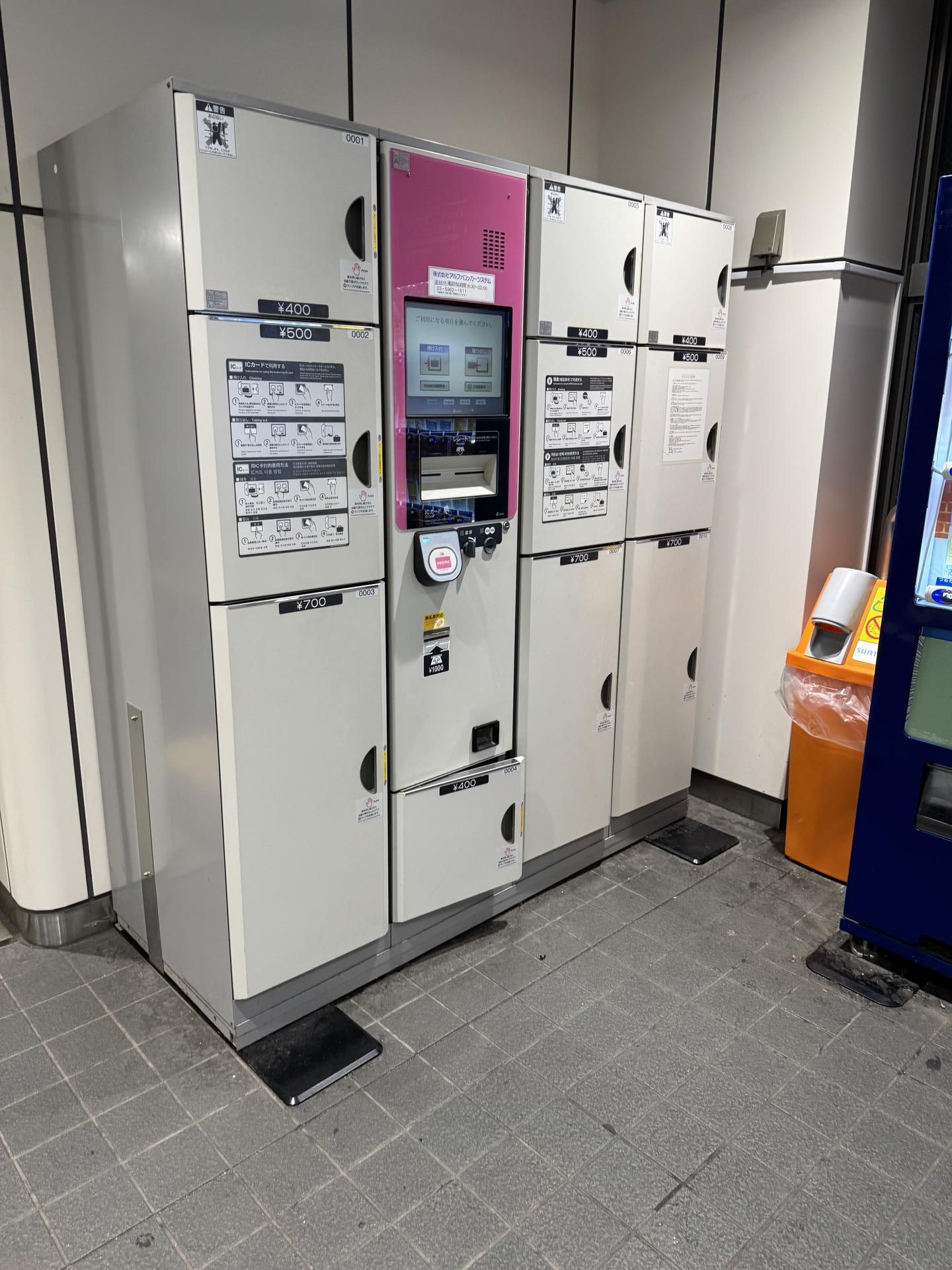
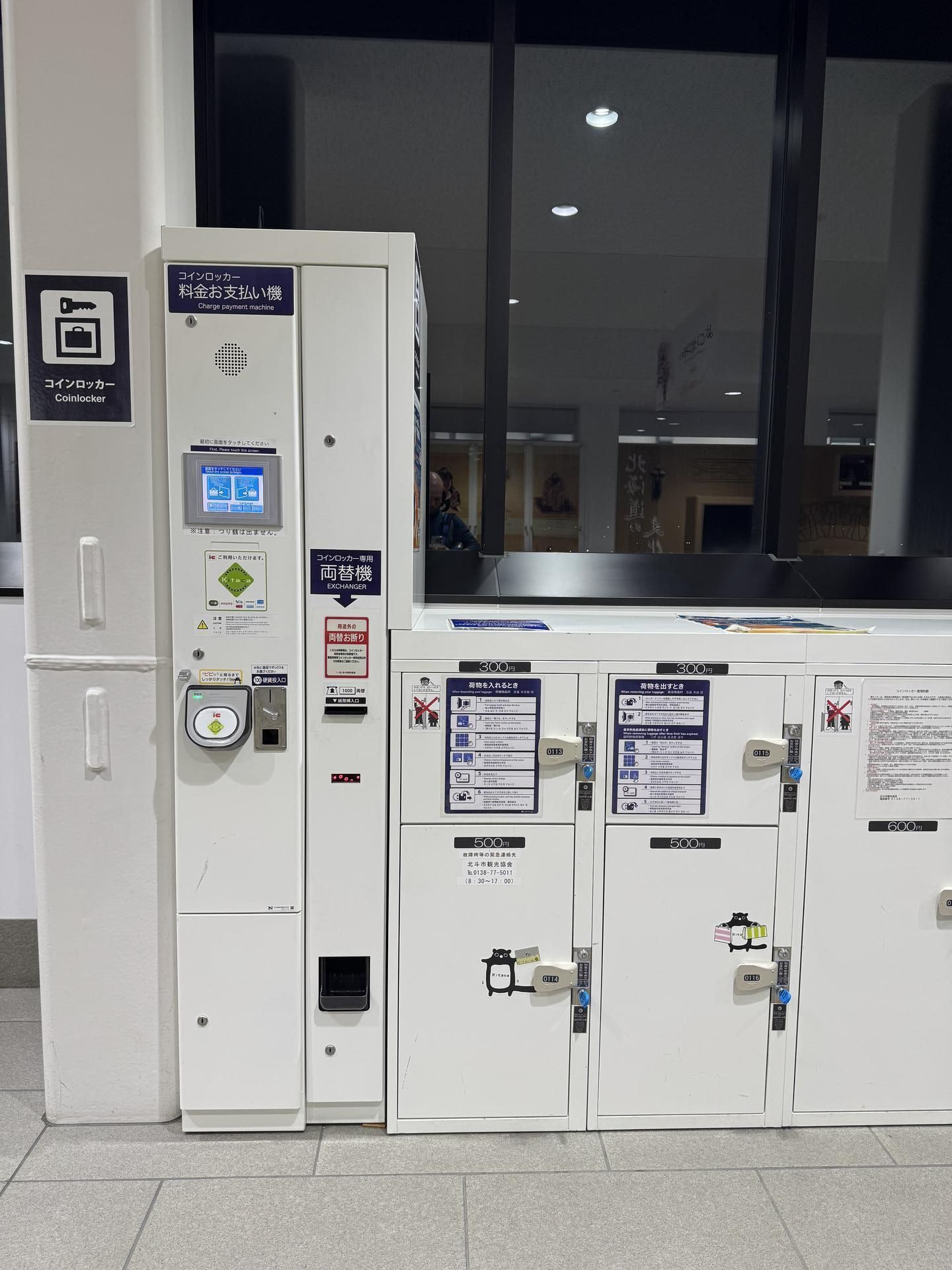
Coin lockers are literally everywhere – at train stations, underground passages, metro stations, etc. It’s very convenient and everyone uses them: leave your stuff and go explore the area with just a small bag.

In Japan they borrow a lot of words from English.
“Coin locker” in Japanese is koin rokkā.
It’s written like this: コインロッカー
(コ — ko, イ — i, ン — n, ロ — ro, ッ — double consonant, カ — ka, ー — long vowel ā).
Why "rokka"? Japanese doesn't have a separate L sound, so foreign words with L are rendered with R.
So don't be surprised if your clothing size is L and the shop assistant brings you "eru" (エル, eru) :-)
Taxi
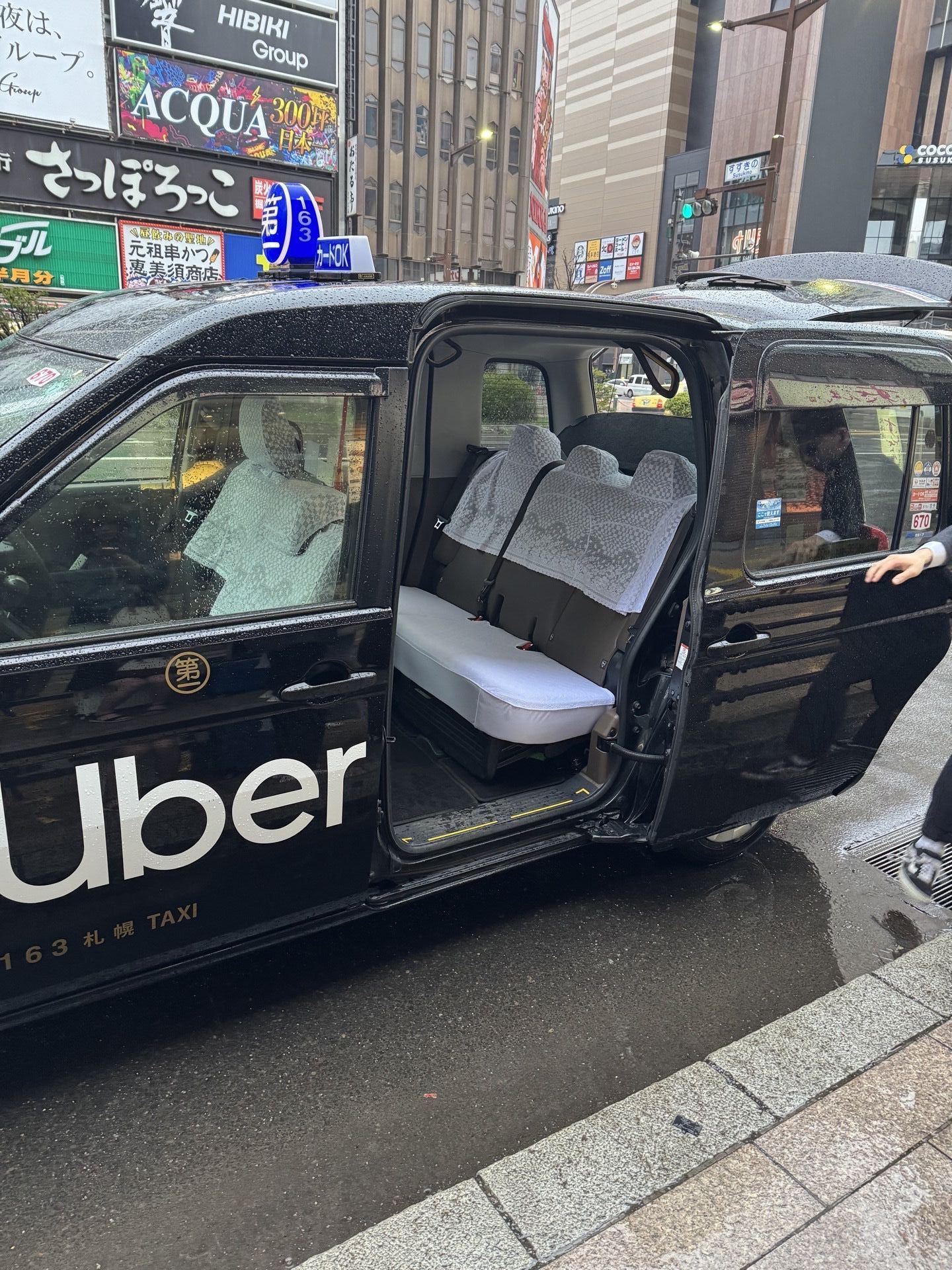
Japanese taxis are something else. The first thing you notice is the spotless interior, interesting desing, and drivers often wearing white gloves (not in Uber though 😄).
Taxis in Japan are very expensive – a short trip can cost several thousand yen, and a ride from the airport to the city center can cost tens of thousands. Be careful.
Many drivers don't speak English, so it's better to prepare the address in Japanese in advance or show it on a map on your phone. Google Maps is your best friend in Japan :)
But overall, to save money it's better to rely on public transport – it works flawlessly in Japan.
✈️ Early morning flights and airports
Metro and trains in Japan usually start running around 5:00–5:30 AM. If you have an early morning flight (e.g., 6–7 AM), getting to the airport by public transport can be difficult or impossible – the first train may not get you there in time.
Make sure to check transport schedules in advance and find alternative options:
- Shuttle buses – many hotels and companies offer airport transfers
- Stay overnight at a hotel near the airport – the most reliable option for early flights
- Taxi – expensive but reliable (book in advance)
- Check the first train schedule for your specific date – sometimes there are earlier services
Important: Tokyo has two main airports: Narita (NRT) and Haneda (HND). They're located in different parts of the city and require different transport options. Narita is about 75 km east of central Tokyo, while Haneda is much closer, within the city limits. Make sure to check which airport your flight departs from – don't confuse your departure airport!
For early morning flights: Getting to Haneda is easier and faster in the morning – it takes about 40 minutes by train from central Tokyo (around 500 yen). Narita is much farther and takes about 1 hour 20 minutes by train (around 2,700 yen), making it more challenging for early flights. If you have a choice, Haneda is more convenient for morning departures.
Don't leave this until the last minute – it's better to plan ahead than face problems on your departure day.
💳 Transport cards
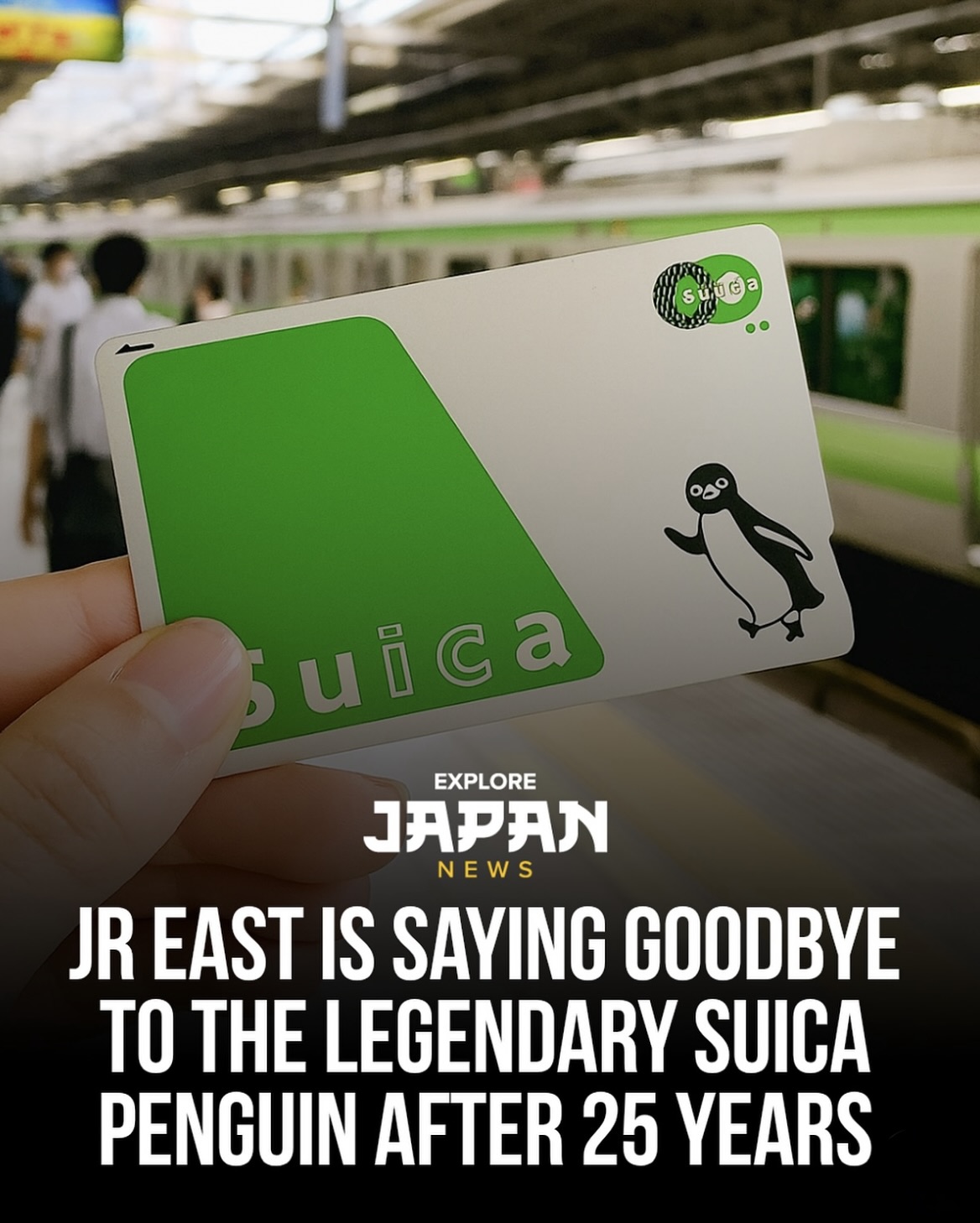
Japan is rapidly going digital. Even coin lockers now often accept cards. Ticket gates in the metro in about 90% of cases no longer accept old paper tickets. Even many city buses (but not all!).
You can buy an IC card on arrival in Tokyo or any other major city.
ICカード (IC card) is a general term for all Japanese contactless transport cards.
In Tokyo the IC card is called Suica, in Sapporo – Kitaca, and in Osaka – ICOCA. And each has its own mascot! ^_^)
🪙 Small change
You’ll need coins everywhere — buses, coin lockers, laundromats, vending machines.
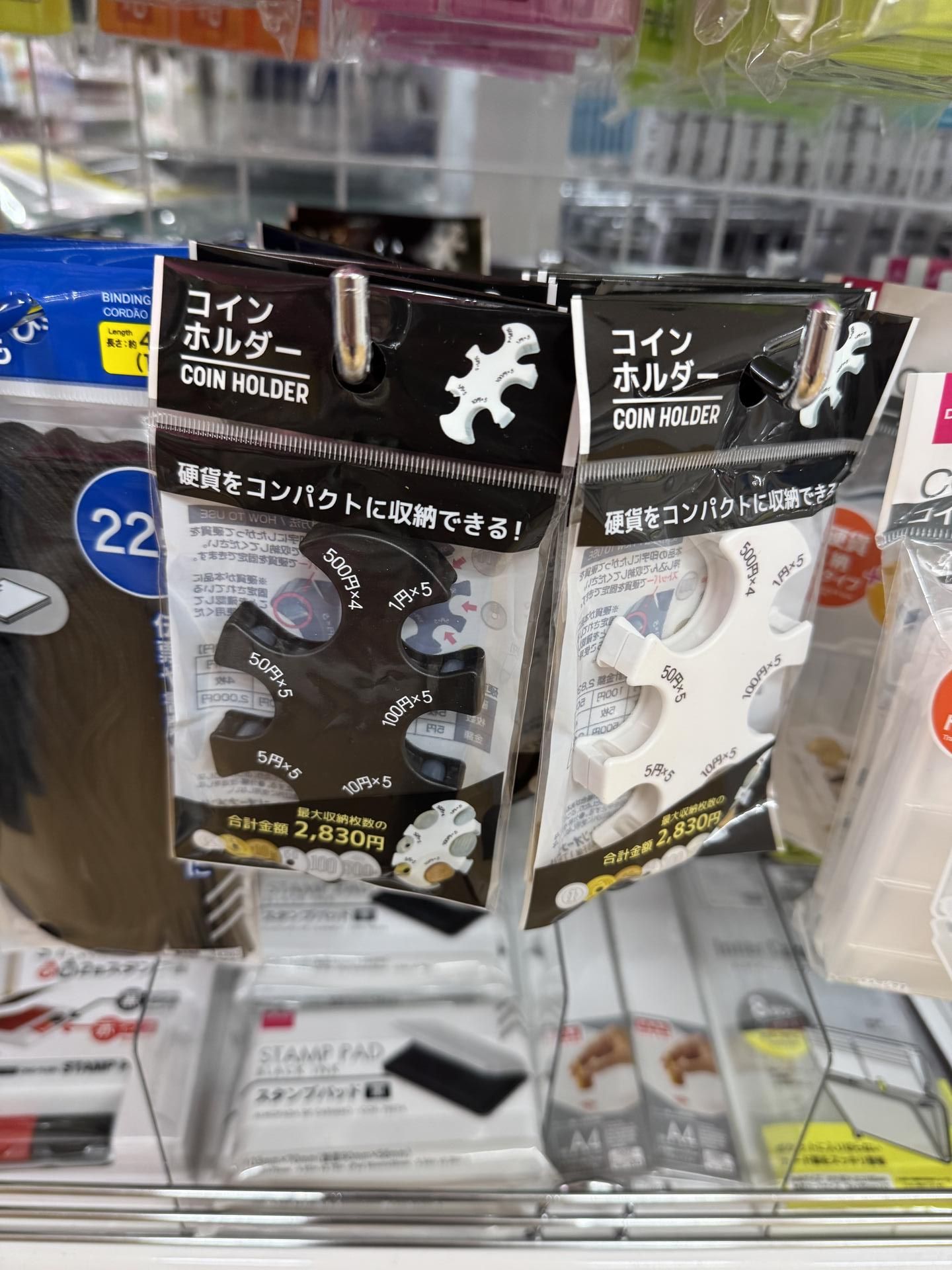
I bought this coin holder at the Daiso 100‑yen shop for 100 yen :)
📖 Stamp notebook
For those who love collecting impressions.
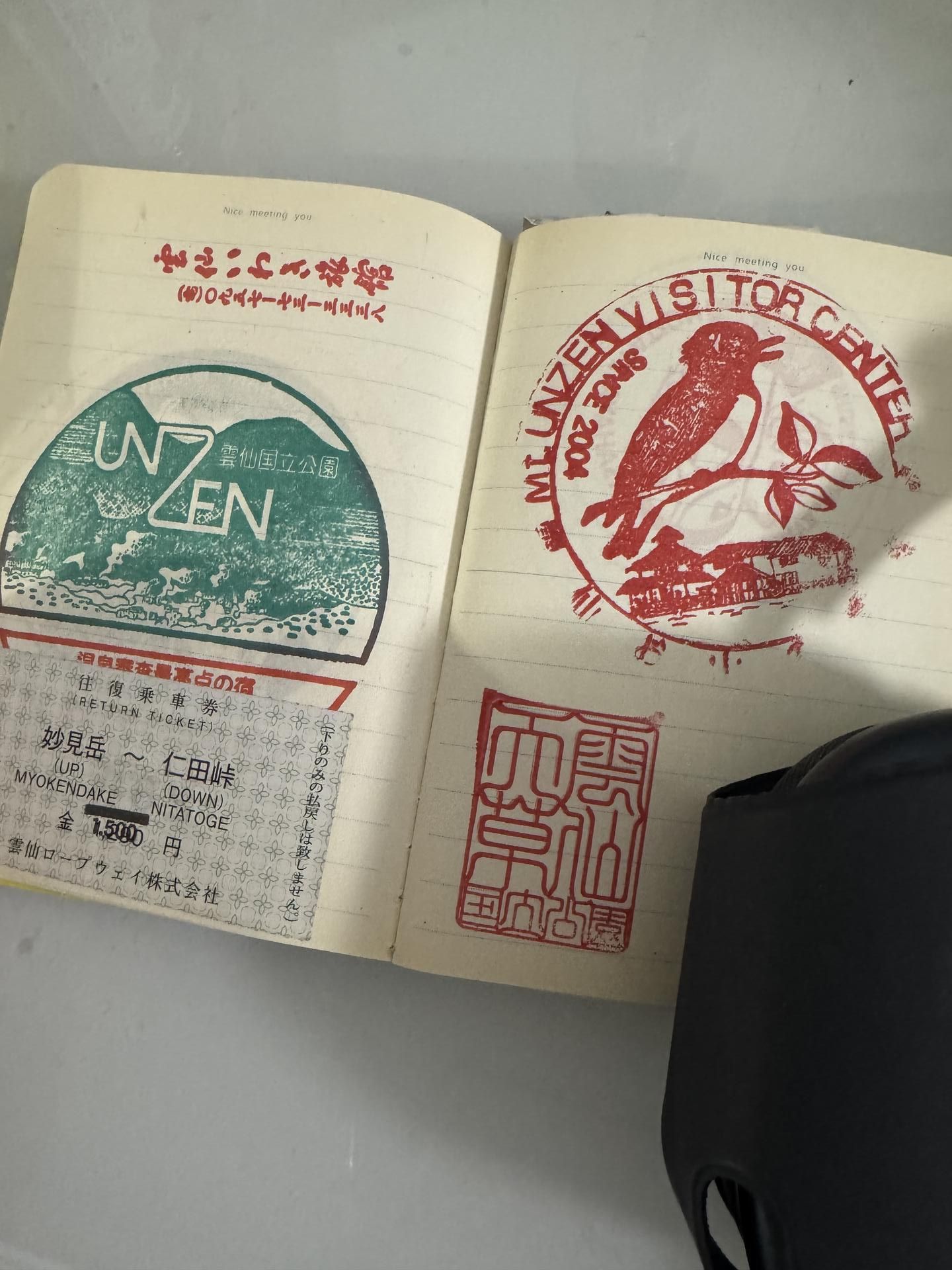
At most major stations, museums and other popular places you’ll find special stamps on display (in the information center, near the entrance or exit). Bring a notebook and collect them – it makes a great souvenir and a reminder of your trip. The stamps are free. The Japanese are obsessed with collecting things.
Reminder: you must not stamp these in your passport!
🏛️ Temple stamps
In Buddhist and Shinto temples you can receive 御朱印 (goshuin) — a beautiful handwritten calligraphic stamp marking your visit. There are special 御朱印帳 (goshuinchō) albums for them, which differ in style and design. Stamps are made by hand and are usually paid.
Important: station/museum/other place stamps are not to be put into a goshuinchō – that’s considered disrespectful.
🍜 Restaurants and traditional places
In very traditional places — whether it’s Japanese inns far from major tourist cities or small restaurants — foreigners are not always welcomed. Even if there are free tables, they can tell you everything is “fully booked”.
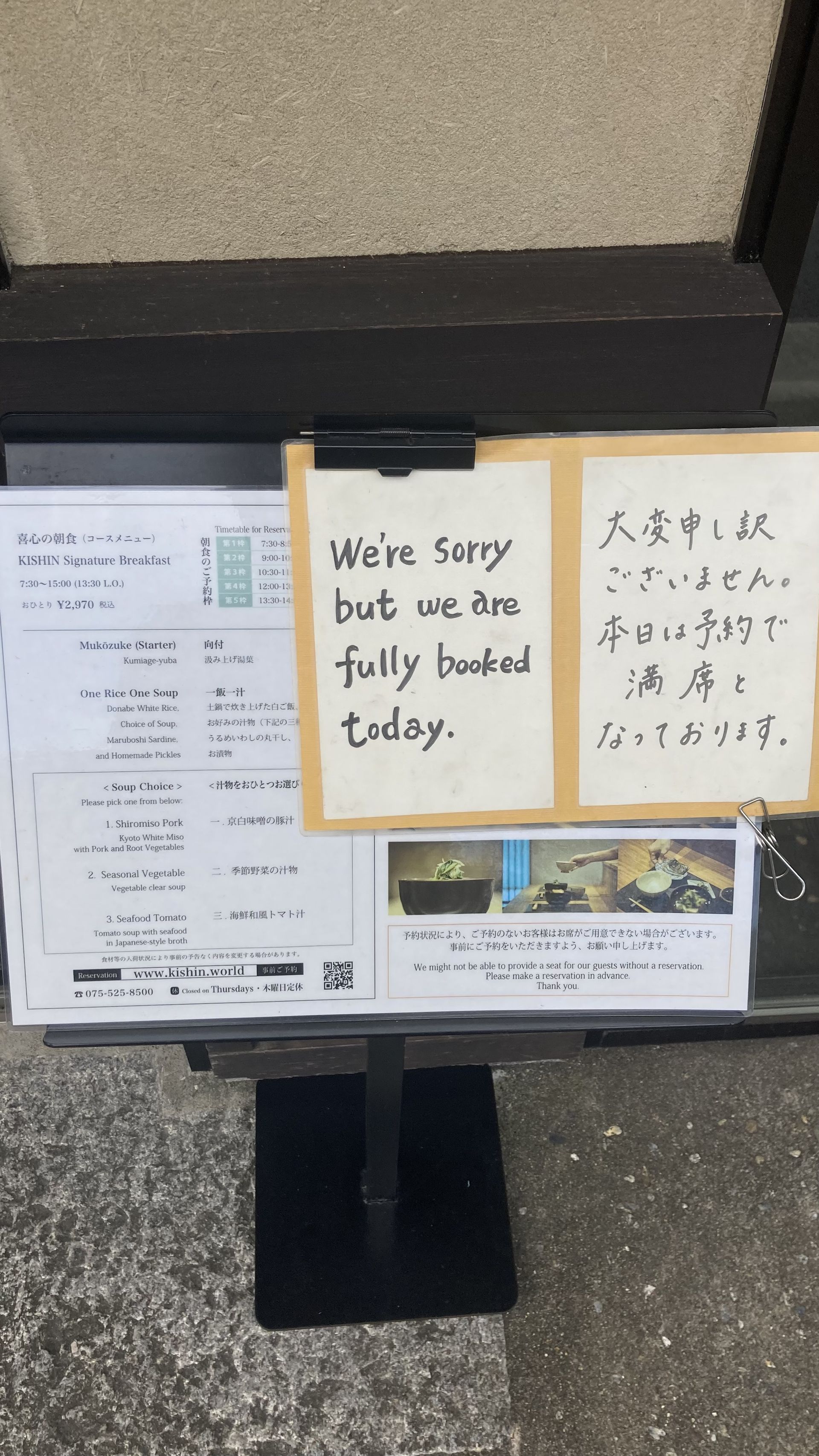
Think in advance where you’ll eat. But in any case there are always konbini コンビニ (コ — ko, ン — n, ビ — bi, ニ — ni) — 24‑hour convenience stores like 7‑Eleven, Lawson and FamilyMart, where you can always grab something to eat.
🥢 Chopsticks and ramen
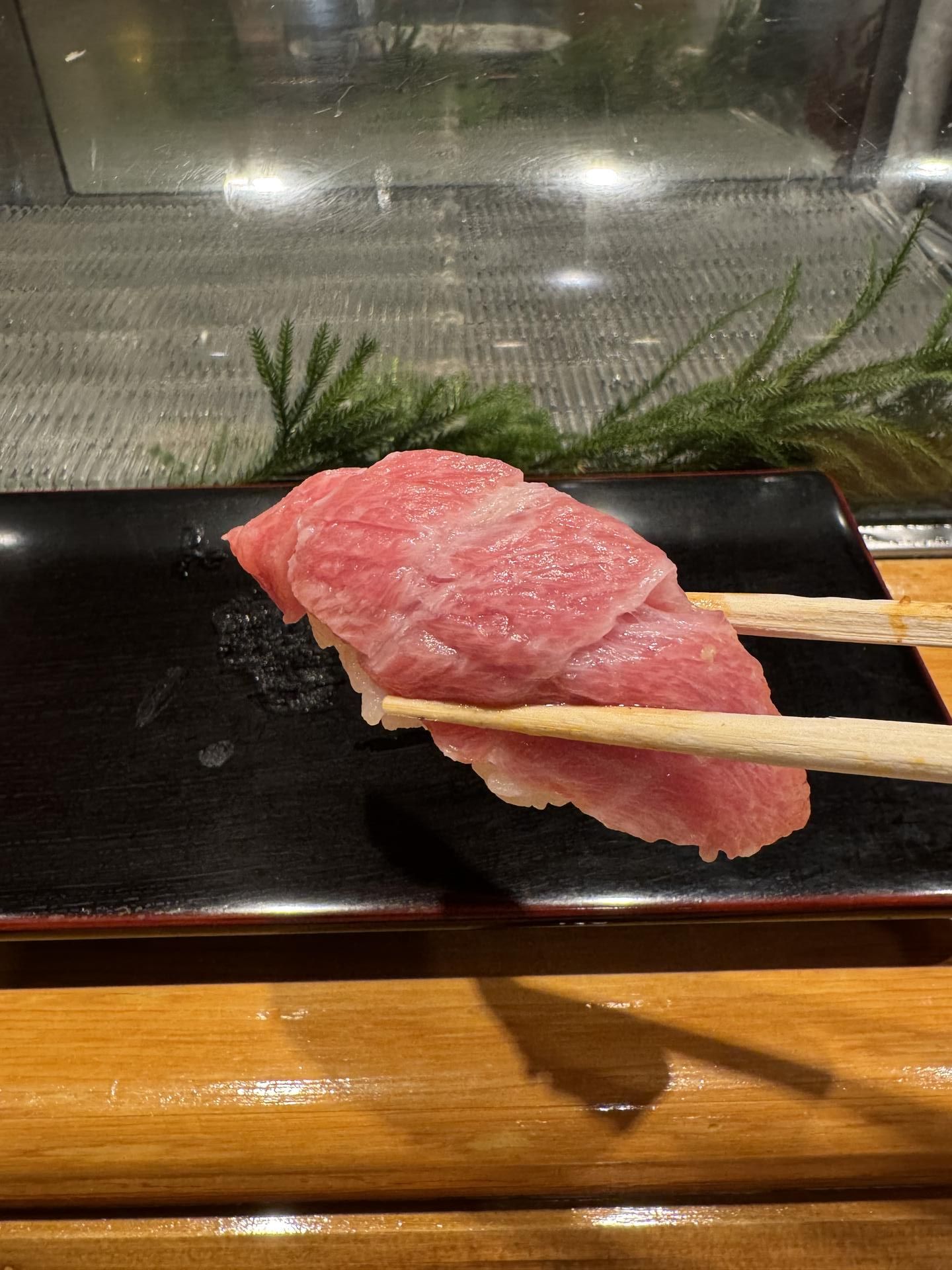
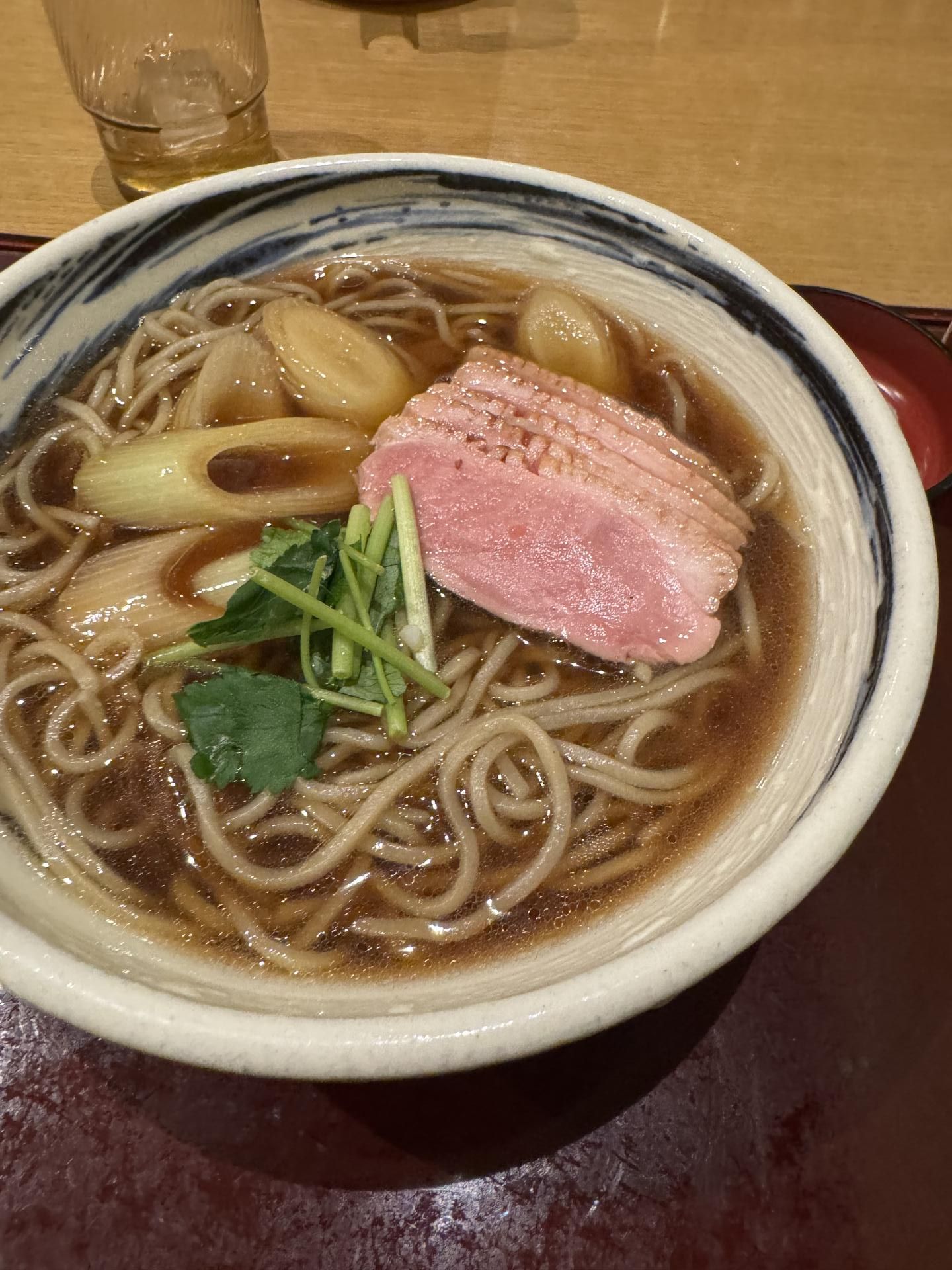
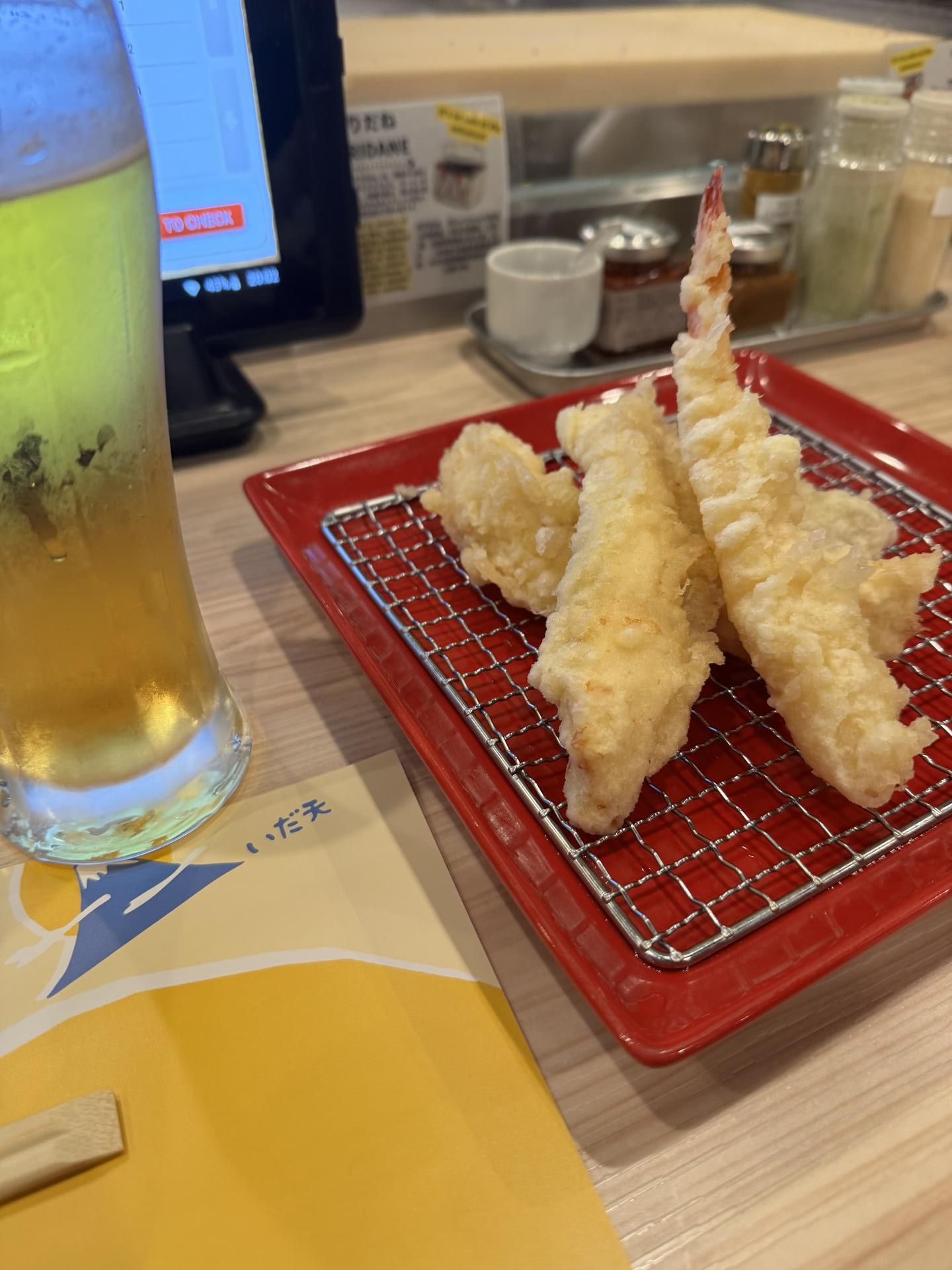
Learn to use chopsticks. Or fall in love with ramen :)
🌐 Translators
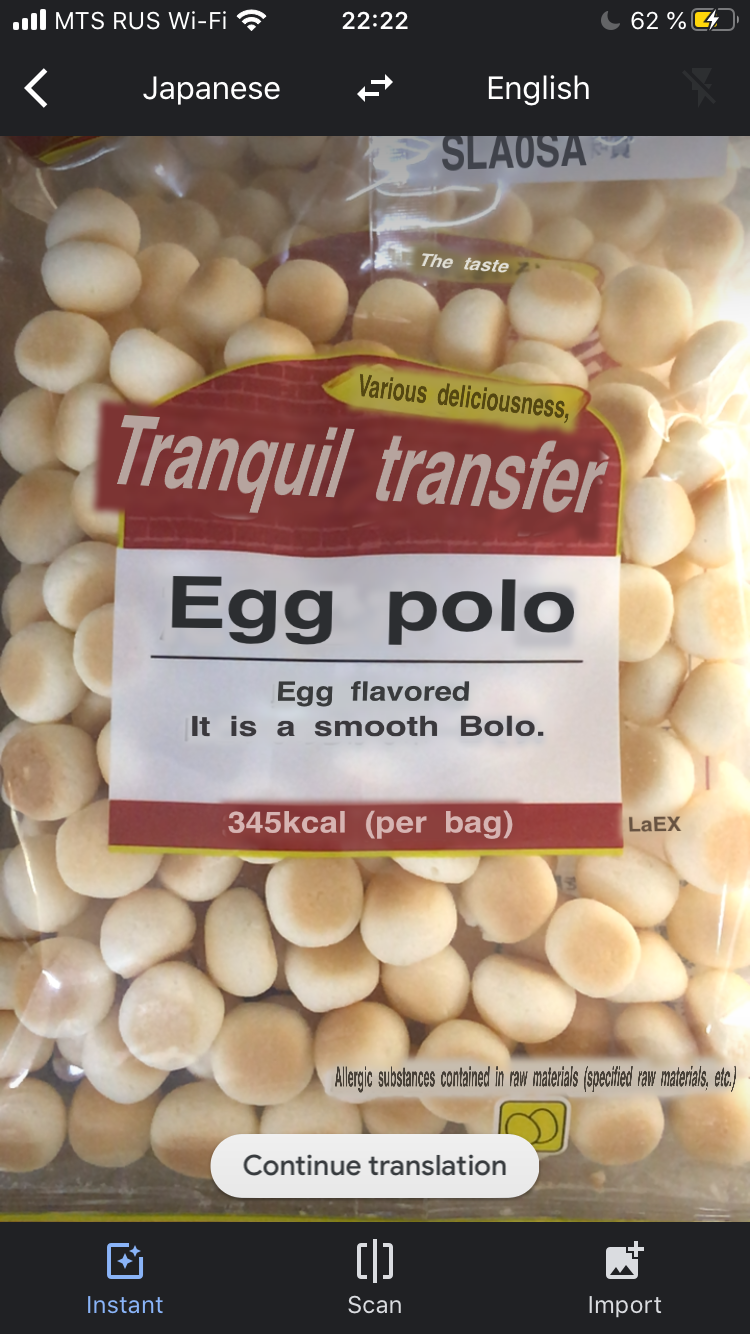
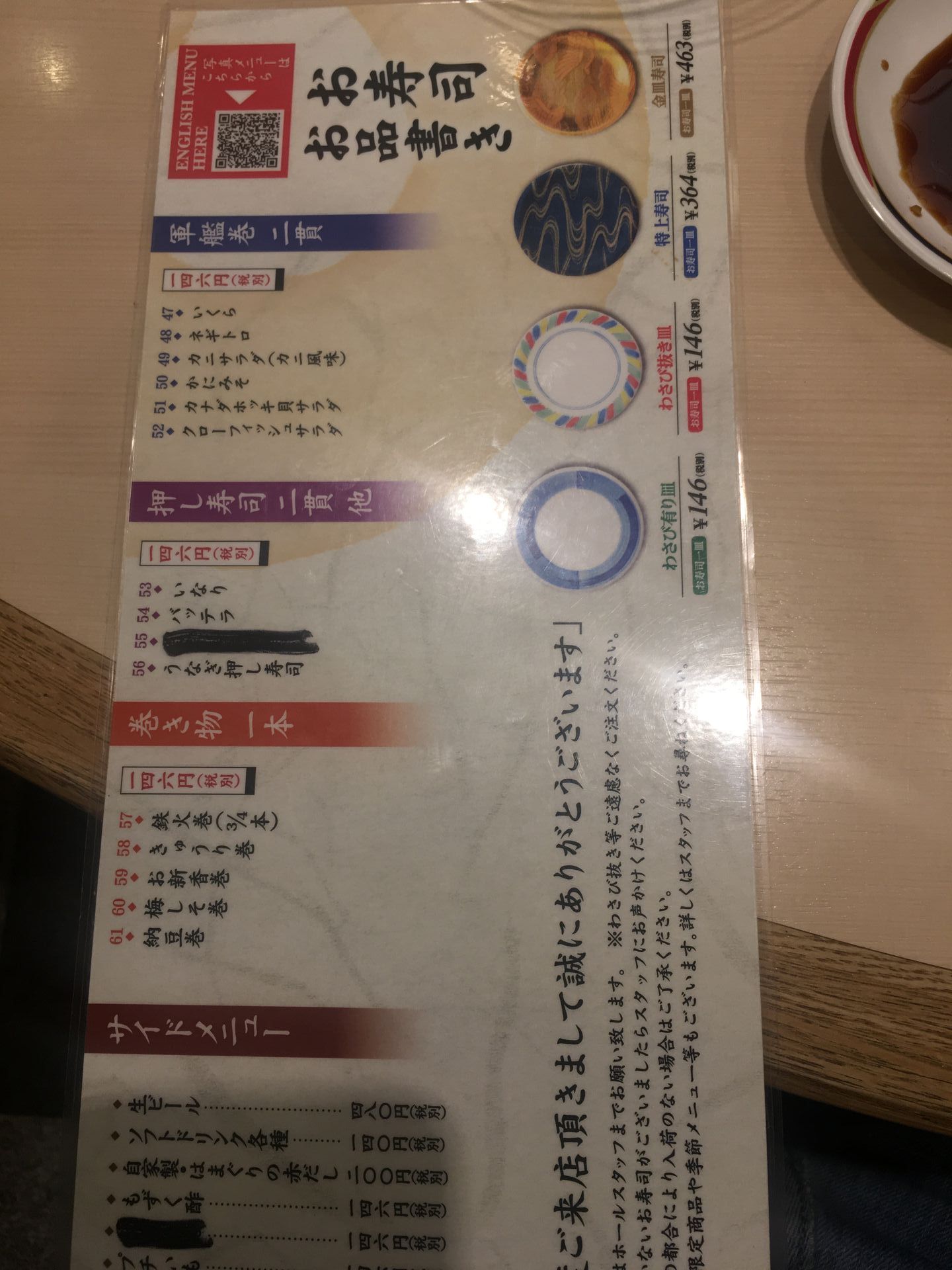
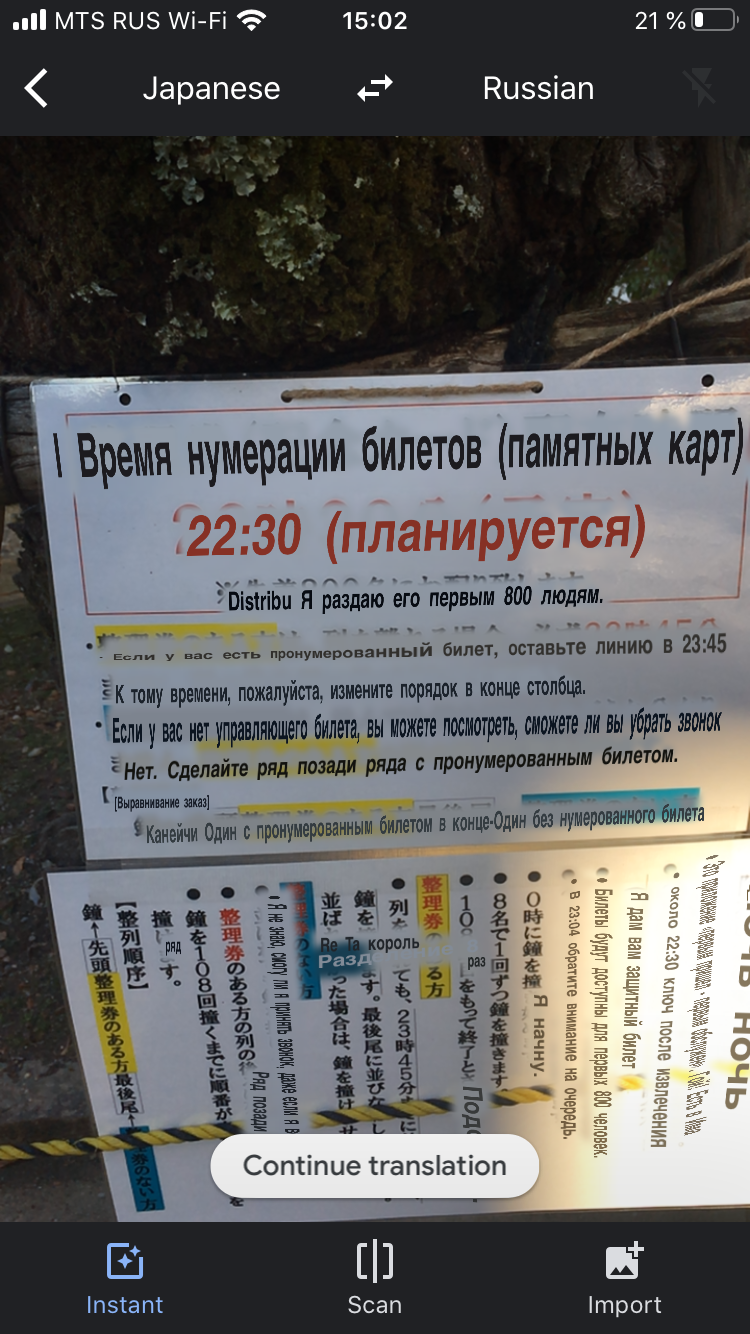
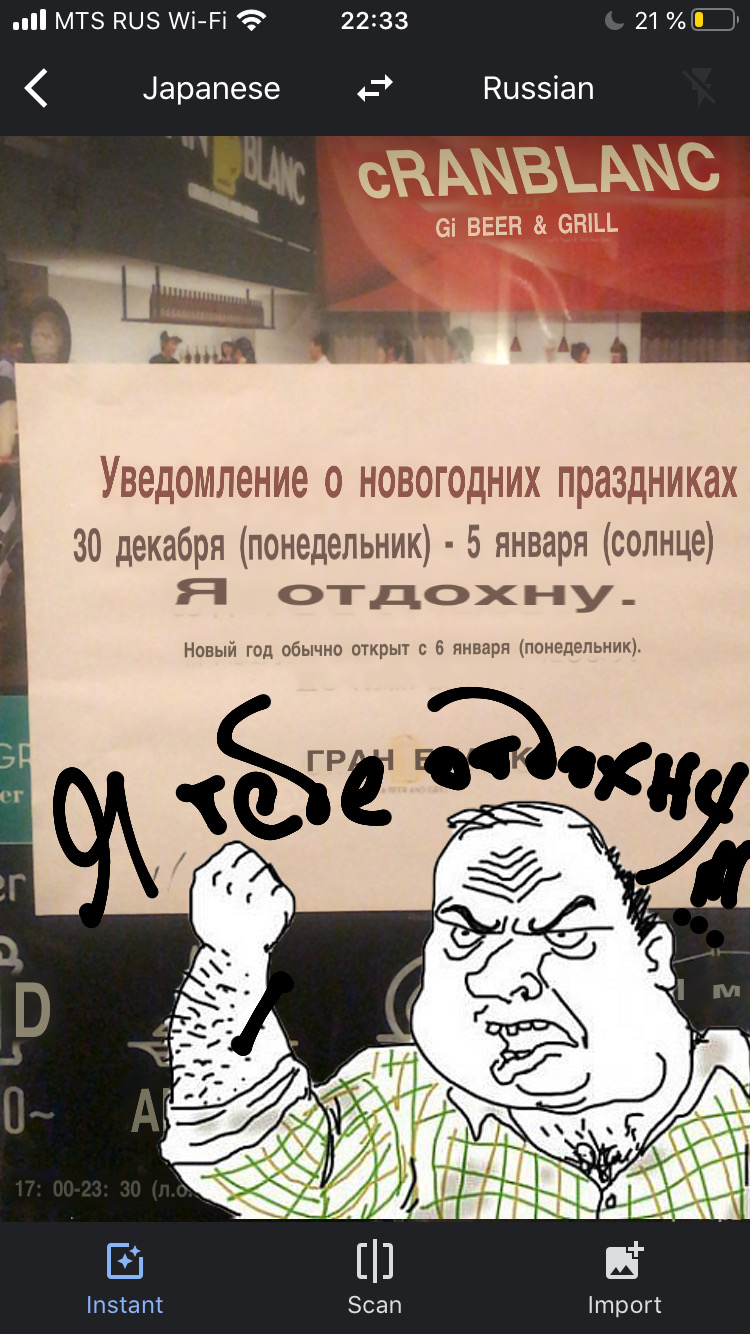
Learn to use Google Translate quickly, or better yet – an AI translator like ChatGPT. The Japanese hardly speak English.

🗺️ Navigation
If you need to find something or figure out how to get somewhere, it’s better to rely on Google Maps. People in Japan are genuinely kind: they’ll drop everything and try to help you if you ask, but sometimes they simply don’t know either.
Recently, while looking for an ATM, I wandered into a police box at a train station. At the reception I explained to the officers what I was looking for and that the information office was closed. I thought: surely the police must know where everything is, right? The policeman immediately dropped what he was doing and spent about ten minutes walking me around the station, asking other staff, and in the end explained with gestures that I should wait an hour and a half until the information office opened and ask them.
Of course I didn’t wait – I had a train to catch. I went into a nearby shop, asked a woman the same question, and she immediately showed with her fingers that the ATMs were one level below – the stairs down were literally five steps from the police box!
And I needed cash because I wanted to leave my luggage in a coin locker so I wouldn’t have to drag it around. I had no cash – I simply didn’t have time to exchange it when I arrived.
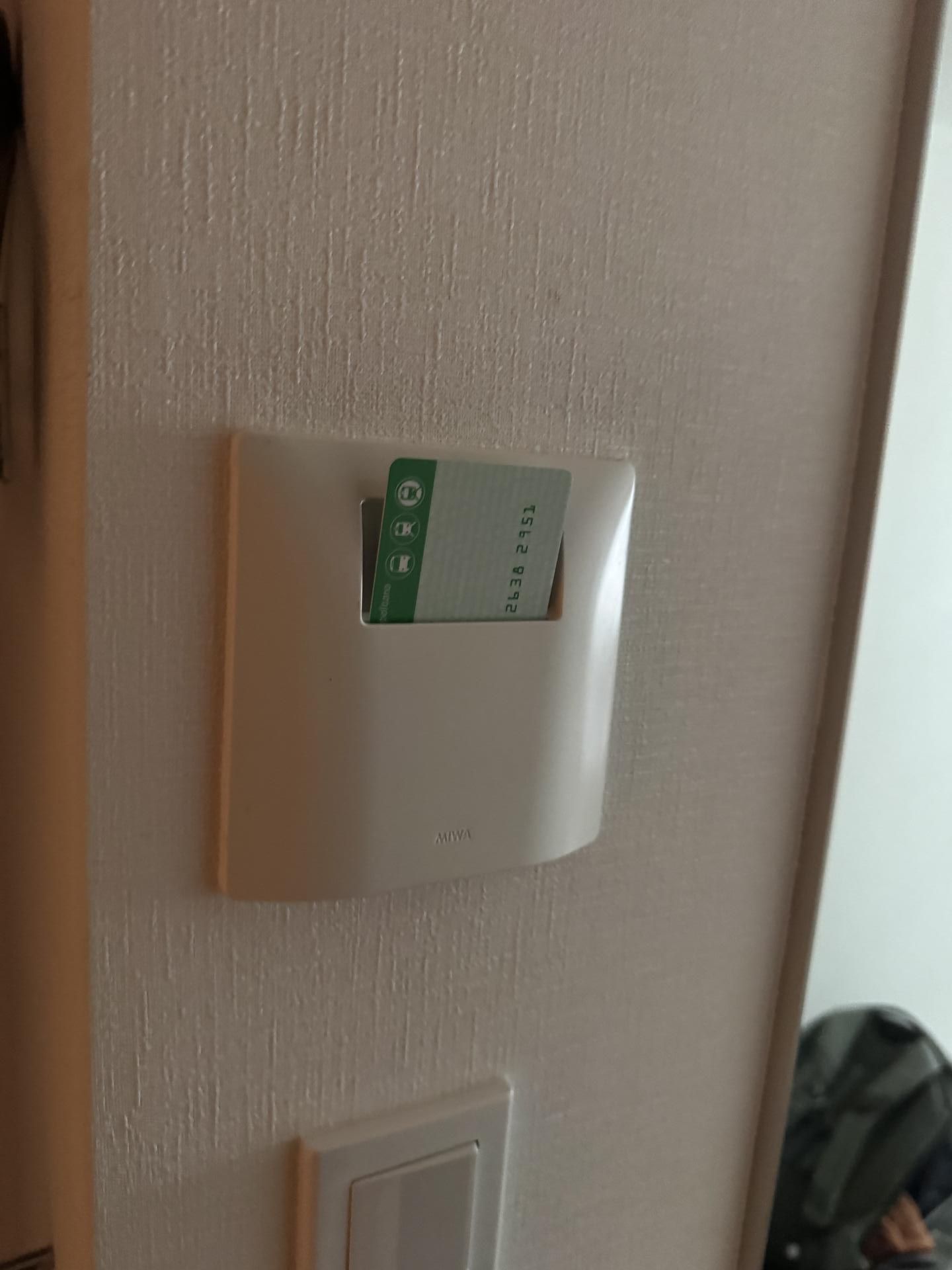
🏨 A “useless” plastic card for hotels
This can come in handy in hotels where the power in your room shuts off as soon as you remove your key card from the slot by the door. Especially in summer, when the air conditioner turns off together with the lights.
🛁 Onsen and sento
In onsens (hot springs heated by volcanic activity) and sento (public bathhouses where the water is heated rather than naturally hot), everyone is naked and barefoot, so you probably won’t need a swimsuit or trunks unless it’s a special outdoor mixed bath in a nature park.
Onsen and sento are usually separated for men and women. City onsens with outdoor baths can sometimes be mixed.
I’ll write a separate post about this.
🎢 Theme parks for kids (and grown-up kids :)
- Tokyo: Disneyland and DisneySea
- Osaka: Universal Studios Japan (USJ), famous for Super Nintendo World, the Wizarding World of Harry Potter, and more
- Kawaguchiko: Fuji‑Q Highland, with intense rides and a “French town” area
Traveling to Japan is like diving into a completely different world and a unique culture. These tips will help you feel more confident and get the most out of your trip. Let's be attentive and respect local traditions – Japanese culture is unique and fragile, and it's especially valuable because it survives despite globalization. Have an amazing trip! 🌸
If you found these tips useful and enjoyable, share the link with your friends! ;)
Support the Author
Liked the content? Support the author.
Your support helps me keep creating!
Comments (0)
Loading…
No comments yet. Be the first to comment!